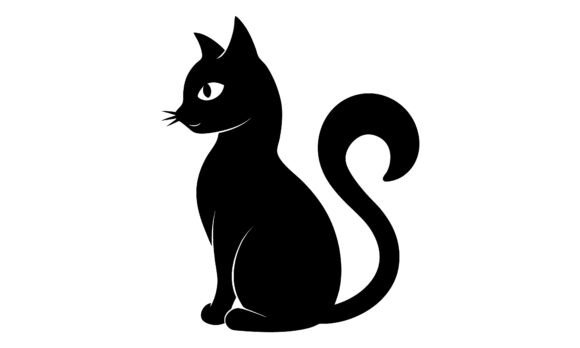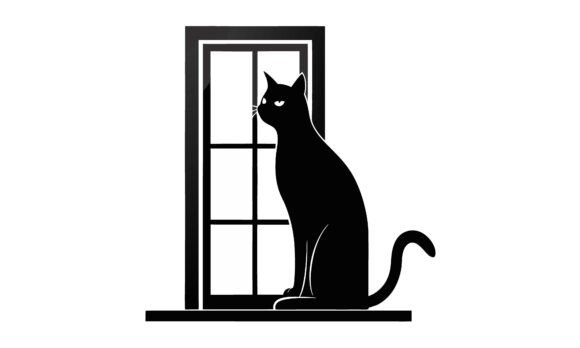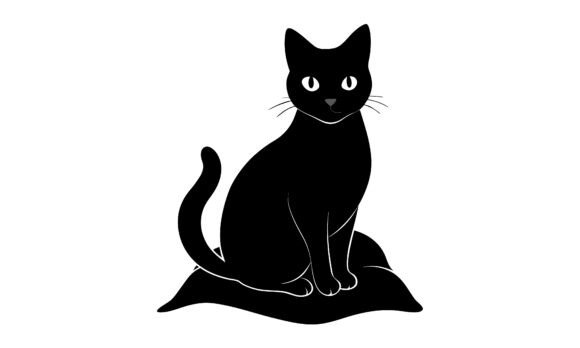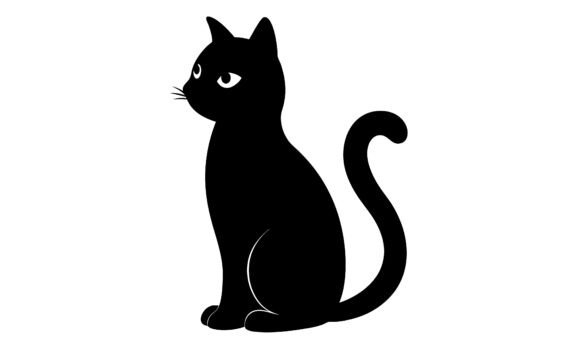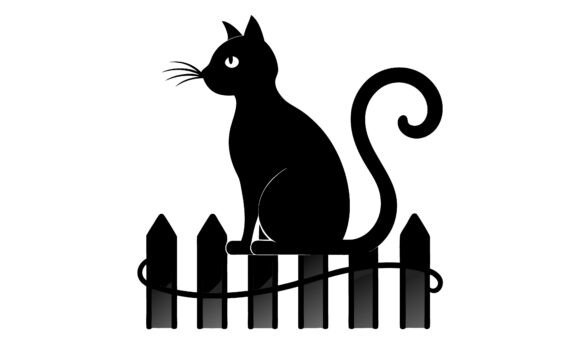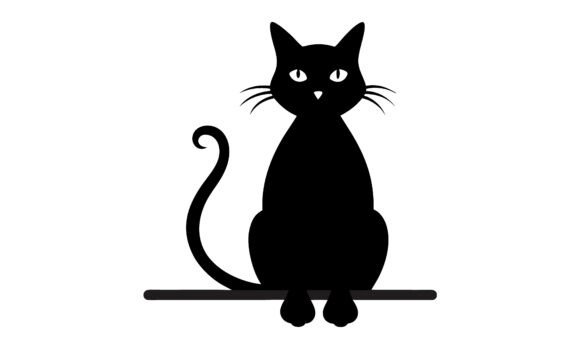
Black Cat Silhouette Sitting on a Line
When I first opened the file for Black Cat Silhouette Sitting on a Line, my immediate thought wasn't about stitch counts or file formats. It was about the mood. There is something inherently charming yet slightly mischievous about a silhouette of a cat perched on a wire or branch. As an experienced designer who reviews embroidery designs for real-world application, I look past the pretty preview image to see how a design will actually behave under the needle and how it will sit in a customer's hands.
This piece falls squarely into the Crafts and Graphics categories, but its true potential lies in how it translates from a digital vector into a tactile, stitched reality. The clean lines and negative space of a silhouette are deceptively simple. They demand precision because there is no fill stitch texture to hide imperfections. If the outline wavers or the density is off, the shape loses its character instantly. This design offers a sleek, modern aesthetic that feels right at home in contemporary handmade shops.
The First Stitch: Visual Personality and Mood
The visual personality of this design is quiet confidence. A sitting cat suggests patience and observation, making it perfect for items that require a touch of whimsy without being overwhelming. Unlike complex floral arrangements or detailed portraits, a silhouette relies entirely on its contour. In an embroidery project, this means the focus shifts to the thread color choice and the fabric background. The simplicity allows it to act as a focal point on a busy garment or a subtle accent on a minimalist tote bag.
I immediately envisioned this design on a soft, heather grey sweatshirt. The black silhouette would pop against the muted background, creating a high-contrast look that feels professional and polished. It also brings to mind nursery decor; a baby onesie embroidered with this motif creates a personalized gift that is timeless rather than trendy. The "sitting on a line" aspect adds a sense of balance and structure, which is crucial when designing for curved surfaces like caps or rounded items like pillow covers.
Real-World Application: From Digital File to Finished Product
Let's talk about a specific scenario: preparing a custom order for a local boutique. The client wants a limited run of aprons for a holiday market. She needs something that looks good on both cotton and linen, appeals to a wide demographic, and can be produced efficiently. Black Cat Silhouette Sitting on a Line fits this brief perfectly.
On an apron, the design can be placed centrally over the pocket or lower on the hem. Because the design is a solid shape, it handles the stress of frequent washing better than intricate, multi-color details. However, the success of this embroidery project depends heavily on the execution. For a boutique product, the thread must be crisp. Using a high-quality polyester thread in a deep black ensures the silhouette remains distinct even after the apron has seen months of use in a kitchen.
I also considered using this design for small business merchandise, specifically for Etsy sellers looking to expand their catalog. A set of matching tea towels featuring this silhouette could become a bestseller during the autumn or winter seasons. The design works beautifully as part of a series—perhaps paired with other animal silhouettes or seasonal elements. Its versatility makes it a valuable asset for digital product sellers who create mockups, allowing them to show clients exactly how the final finished product will look before a single stitch is made.
Where to Be Cautious: Technical Constraints
While the design is elegant, it is not without challenges. As a reviewer, I must highlight where this design might struggle. The primary concern is the hoop size. If you attempt to embroider this on a very small surface, such as a child's hat or a tiny patch, the "sitting on a line" detail might get lost. The line itself requires enough space to be defined by a satin stitch or a running stitch; if compressed too much, it becomes a blurry smudge.
Another area requiring careful consideration is fabric texture. On highly textured fabrics like thick wool or bouclé, the sharp edges of the silhouette may not lay flat. The machine might skip stitches or pull the fabric unevenly. Similarly, stretchy fabrics like jersey t-shirts require a stabilizer that provides significant support to prevent distortion. Without proper stabilization, the curve of the cat's back could warp, ruining the intended posture.
Dense stitch areas are another factor to watch. While a silhouette often uses fill stitches, the transition from the cat's body to the line needs to be smooth. If the stitch density is too high, the fabric may pucker, especially on thin materials. Conversely, if the density is too low, the underlying fabric might show through, compromising the opacity of the black shape. Always test the design on scrap fabric first to gauge the required density and stabilizer type.
Impact on Brand and Customer Trust
In the world of handmade goods, presentation is everything. A well-executed machine embroidery design builds trust. When a customer receives a hoodie with a crisp, clear silhouette, they perceive the brand as professional and reliable. Black Cat Silhouette Sitting on a Line elevates the perceived value of the item. It transforms a basic commodity into a curated piece of art.
This design also enhances giftability. People love personalized gifts that feel unique yet universally appealing. A custom embroidered pillow cover with this motif serves as a thoughtful housewarming present. The clean lines make it easy to integrate into various color palettes, ensuring it matches the recipient's existing decor. For commercial embroidery projects, this versatility reduces the risk of unsold inventory, as the design can be adapted to different products without losing its core identity.
Practical Designer Notes for Success
Before you commit this design to your production line, there are several technical steps you should take. First, verify the file formats. The description mentions SVG and EPS files, which are excellent for scaling, but ensure they convert correctly into your embroidery software. Check the stitch count and density settings within your digitizing software to ensure they match the fabric you intend to use.
Thread color contrast is critical. While black thread on dark fabric can look stylish, it often lacks definition unless the fabric texture is distinct. For maximum impact, consider contrasting threads, such as white or gold, on darker backgrounds, or stick to classic black on light fabrics. Review the design in black and white mockups to ensure the shape holds up without the aid of color.
Don't forget to inspect small details. Zoom in on the feet and the tail tip. Are there any loose ends or jagged edges? These can be problematic during the trimming process. Also, confirm whether the license terms allow for commercial use if you plan to sell finished items. Some digital assets are restricted to personal use only, and violating these terms can lead to legal issues.
Finally, test the design on various surfaces. Try it on a cap to see how it handles the curvature, or on a blanket to check the stability. By taking the time to validate the design in real-life scenarios, you ensure that every handmade product leaving your studio meets the highest standards of quality. This diligence is what separates a hobbyist from a pro.
Black Cat Silhouette Sitting on a Line is more than just a cute graphic; it is a versatile tool for creative entrepreneurs. Whether you are an Etsy seller building a brand, a decorator working on custom apparel, or a maker crafting personalized gifts, this design offers a blend of style and practicality. With careful attention to stitching technique and material selection, it can become a staple in your collection of design assets.