Black Cat Sitting on a Shelf: A Designer's Review
There is a specific kind of magic that happens when a digital file transforms into thread. As someone who has spent years reviewing embroidery designs for both personal hobby projects and commercial client work, I have learned to look past the pretty preview image. I need to know how a design behaves under the needle, how it holds up after washing, and whether it adds genuine value to a handmade product. Today, I am putting Black Cat Sitting on a Shelf through its paces to see if it belongs in your next embroidery project or small business inventory.
The First Impression: Mood and Visual Personality
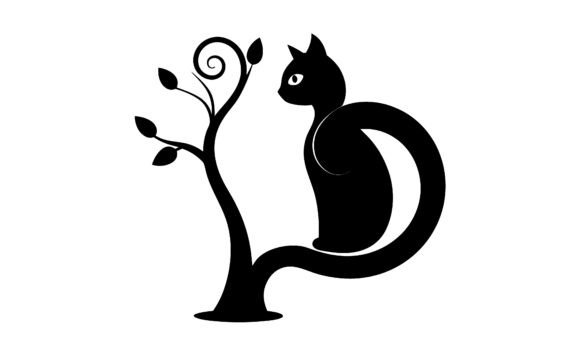
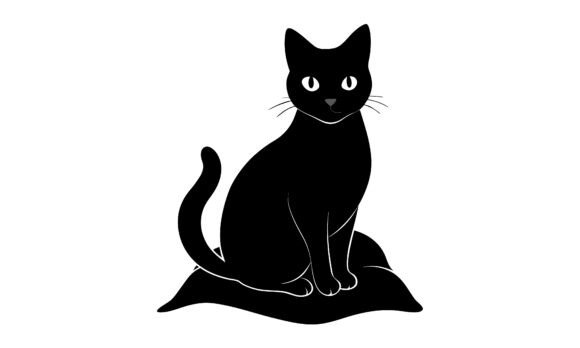
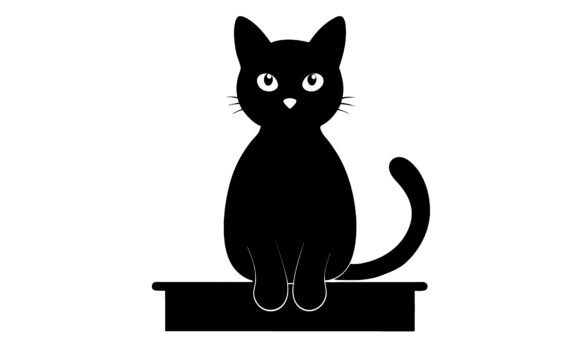
When you first open the file for Black Cat Sitting on a Shelf, the immediate feeling is one of quiet domestic charm. It isn't a loud, aggressive graphic; rather, it exudes a cozy, slightly mischievous energy that fits perfectly into modern home decor and lifestyle branding. The silhouette approach suggests a clean, bold aesthetic that translates well into thread, but the "sitting" pose implies stability and comfort.
In the world of Crafts and Graphics, this design stands out because it feels narrative-driven. It isn't just a cat; it is a cat observing the world from a perch. This subtle storytelling element is crucial for designers looking to create emotional connections with buyers. Whether you are making a gift for a fellow feline lover or stocking a boutique shop, this design carries a personality that invites conversation. It strikes a balance between minimalist chic and detailed character work, making it versatile enough for various styles without feeling generic.
Real-World Application: From File to Finished Product
Let's imagine a real scenario. You are preparing for a holiday market or restocking your Etsy shop. You decide to create a line of custom embroidered tote bags featuring whimsical animals. You pull up Black Cat Sitting on a Shelf as the centerpiece. How does it perform?
This design shines on canvas totes and heavy cotton aprons. The solid silhouette nature of the black cat allows for excellent coverage with minimal risk of puckering, provided you use the correct stabilizer. On a dark-colored tote bag, the design might need a light underlay or a contrasting thread color to pop, but on a natural beige or white bag, the black threads will offer a striking, high-contrast look that screams professionalism. I also envision this working beautifully on sweatshirt embroidery for a casual, streetwear-inspired vibe.
For smaller items like baby onesies or nursery pillow covers, the sitting posture is particularly endearing. It creates a sense of safety and warmth, which resonates deeply with parents shopping for personalized gifts. If you are an Etsy seller, this design could be the star of a "Cat Mom" collection. The layout is compact enough to fit on the chest of a hoodie or the front pocket of a cap, yet substantial enough to be noticed from across a room.
Where Caution is Required
While Black Cat Sitting on a Shelf is a strong candidate for many applications, no design is universally perfect. There are specific scenarios where you must exercise caution. For instance, if you are working with very small hoop sizes, such as those used for jewelry or tiny keychains, the details of the shelf and the cat's features might get lost in the stitching. In these cases, the design may require simplification or resizing, which can alter the intended artistic intent.
Textured fabrics present another challenge. If you attempt to stitch this on a rough burlap or a highly textured knit, the machine might struggle to penetrate the material evenly, leading to inconsistent stitch density. Similarly, stretchy fabrics like thin jersey or spandex blends require a sturdy cutaway stabilizer to prevent the finished product from warping over time. Without proper support, the weight of the black fill stitches could cause the fabric to sag.
Dense stitch areas are another consideration. If the original file contains tight clusters of satin stitches around the cat's eyes or whiskers, testing on scrap fabric is non-negotiable. On dark fabrics, dense black-on-black stitching can sometimes disappear entirely unless you plan for a strategic color change or a lighter thread for outlining. Always verify the stitch density before committing to a production run, especially for commercial embroidery projects where consistency is key.
Impact on Brand Value and Customer Trust
The quality of your embroidery directly influences customer trust and perceived value. A sloppy digitization job can ruin even the most adorable design. However, when Black Cat Sitting on a Shelf is executed correctly, it elevates the entire brand. Clean edges, consistent tension, and thoughtful thread placement signal to the buyer that this is a premium handmade product.
For small business owners and creative entrepreneurs, using a well-executed design like this helps maintain brand consistency. It looks professional in printable mockups, digital previews, and on actual physical goods. Customers are more likely to pay a higher price point for a personalized gift or custom apparel when the craftsmanship is evident. Furthermore, a design that is easy to recognize and aesthetically pleasing increases the likelihood of social sharing, which drives engagement and sales for craft businesses.
Practical Designer Notes for Success
Before you load this file into your machine, there are several technical steps you should take to ensure a flawless result. First and foremost, always test the design on scrap fabric that matches the texture and weight of your final project. This simple step can save you hours of rework.
Review the stitch density carefully. If the file uses too much fill stitch for the size of the design, it may become stiff and uncomfortable. Check the thread colors you plan to use; while the design is described as a silhouette, the choice of thread sheen (matte vs. metallic) can drastically change the mood. Compare light and dark fabric backgrounds in your mockups to ensure the contrast works as intended.
Don't forget to inspect small details. Are the corners of the shelf sharp? Is the tail definition clear? These micro-details separate a good design from a great one. Confirm the hoop size required for the design to avoid cropping issues. Also, verify the licensing terms explicitly mentioned in the product description. Ensure you have the right to sell finished items made with this design, especially if you are planning to list them on platforms like Etsy or at craft fairs.
Finally, consider the long-term durability. Will the design withstand frequent washing? Using the proper stabilizer and checking the tension settings on your machine will help ensure that your embroidery project remains a cherished item for years to come. By taking these practical steps, you transform a digital asset into a tangible piece of art that customers will love.