Black Cat Vector Design: A Designer's Real-World Embroidery Review
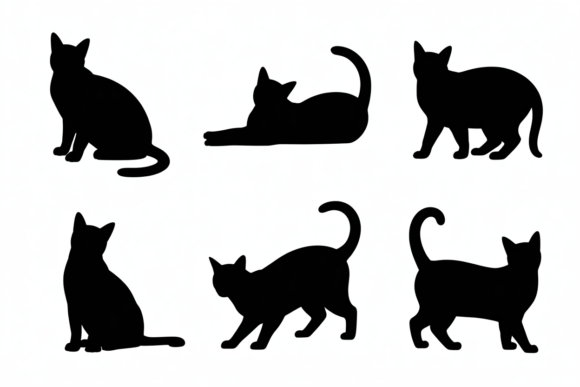
As a designer who has spent years turning digital files into tangible, stitched masterpieces, I know that the difference between a good product and a great one often comes down to how well a design translates from screen to fabric. When I first encountered the Black Cat Vector Design, my initial reaction wasn't just about the cute silhouette; it was about its potential in a real-world embroidery project. This isn't just another generic graphic; it is a piece of design assets that demands careful consideration before being sent to the machine.
The First Impression: Mood and Visual Personality
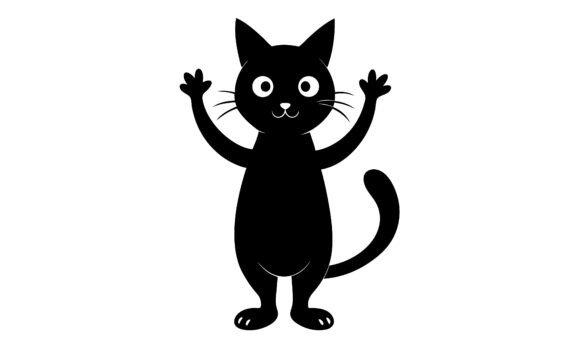
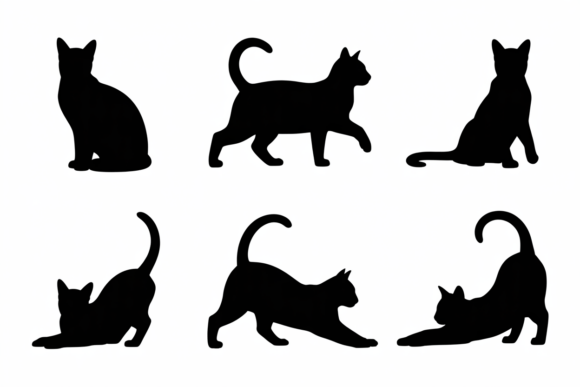
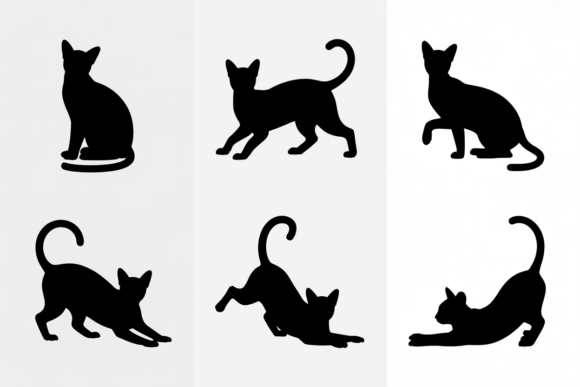
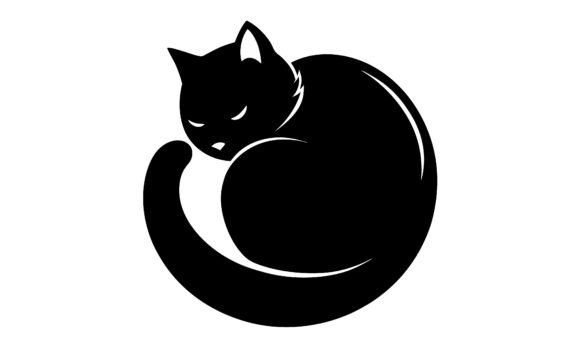
The moment you open the file, the mood is set immediately. The silhouette captures that specific blend of mischief and elegance that makes black cats such enduring icons in Crafts and Graphics. It feels versatile enough for a spooky Halloween tote bag or a sophisticated nursery wall hanging. The shape is clean, which is a relief because complex curves can sometimes get lost in stitching, but this design strikes a balance that suggests high-quality results.
Visually, it creates an air of mystery without being overwhelming. For a small business owner looking to create a cohesive brand identity, this kind of visual personality is gold. It works as a standalone statement on a sweatshirt or as a subtle accent on a baby onesie. The layout is simple yet effective, allowing the thread colors to do the heavy lifting rather than fighting against a cluttered background. It feels like a design that customers will actually want to wear or display, not just something they tolerate.
Real-Life Application: From Screen to Stitch
I recently put this embroidery design to the test by planning a custom embroidered tote bag for a local craft fair. My goal was to create a unique item that would stand out among the sea of generic prints. Using the Black Cat Vector Design, I envisioned a midnight blue fabric with bright yellow thread accents to make the cat pop. The result was exactly what I hoped for: a finished product that looked professional and polished.
This design shines in various scenarios. For custom apparel, it translates beautifully onto hoodies and denim jackets. The silhouette is robust enough to hold up on a large chest area without losing definition. In the realm of baby embroidery, the soft lines work perfectly on cotton onesies, creating a timeless gift that parents won't mind keeping as a keepsake. I also considered using it for holiday embroidery projects, where a black cat motif fits seamlessly into autumn and winter themes.
For Etsy sellers and digital product sellers, this file offers immense value. You can use it to create mockups for printable mockup listings, giving buyers a clear idea of the final look. Whether you are making personalized gifts for clients or producing small shop products for mass sale, the versatility of this design allows you to pivot quickly between different product categories. It is equally at home on an embroidered patch attached to a backpack or as a central feature on a kitchen towel.
Navigating Technical Challenges and Fabric Choices
While the design is strong, no machine embroidery design is without its challenges. One of the most critical factors is the hoop size. If you attempt to stitch this on a very small hoop, you might find that the curvature of the cat's back gets compressed, altering the intended silhouette. Always confirm your hoop size matches the dimensions of the design to ensure the proportions remain true to the original vector.
Fabric texture plays a significant role in how this embroidery file performs. On smooth, stable fabrics like cotton twill or canvas, the stitches lay flat and crisp. However, on highly textured or stretchy fabrics, you need to be cautious. The density of the stitches could cause puckering if the stabilizer isn't chosen correctly. For dark fabric, the contrast is key; you will need to select thread colors that cut through the darkness effectively, perhaps opting for metallics or bright neons to highlight the silhouette.
There are also areas where caution is required. If you plan to use this for commercial embroidery on items that require frequent washing, such as aprons or workwear, check the stitch density carefully. High-density fill stitches can sometimes feel stiff and may not age well on heavily used garments. Additionally, if you are working on curved surfaces like caps, the design might need slight adjustments to accommodate the curve, otherwise, the details could get distorted.
Impact on Brand and Customer Trust
In the world of handmade goods, presentation is everything. A well-executed Black Cat Vector Design elevates the perceived value of your entire product line. When a customer sees a clean, precise stitch job on a handmade product, it builds trust. It signals that you care about quality and attention to detail. Conversely, a poorly digitized version of this design could lead to loose threads or missed stitches, which might damage your reputation as a creative entrepreneur.
The design also enhances brand consistency. By using this specific motif across different items—like matching pillows, towels, and bags—you create a recognizable aesthetic that customers associate with your shop. This recognition is crucial for buyer engagement and repeat sales. The simplicity of the silhouette ensures that it remains legible even when scaled down, making it perfect for small tags or decorative accents on larger pieces.
Practical Notes for the Professional Designer
Before you rush to start stitching, there are several practical steps every seasoned designer should take. First and foremost, always test the design on scrap fabric. This allows you to see how the stitch density interacts with your specific material and helps you adjust tension settings before committing to the final piece.
Review the thread colors you intend to use. While the vector is a silhouette, the thread choice defines the mood. Experiment with different color combinations to see how they affect the visual appeal. Also, inspect the small details closely; sometimes, tiny corners or sharp points can get lost in the stitching process if the digitization isn't optimized for your machine.
If you are unsure about the technical specifications, such as the exact stitch count or file formats, check the provided documentation. The product description mentions SVG and EPS formats, which are excellent for cutting machines, but for embroidery, you will need to convert these into a compatible format for your machine. Ensure you have the right stabilizer for your fabric type to prevent shifting during the satin stitch or fill stitch phases.
Finally, confirm your licensing terms. If you plan to sell finished items featuring the Black Cat Vector Design, you must verify that the license allows for commercial use. Some designs are for personal use only, while others permit selling physical products. Understanding these distinctions protects your craft business from legal issues.
In conclusion, the Black Cat Vector Design is a compelling addition to any designer's toolkit. With its clean lines and versatile theme, it offers endless possibilities for embroidery projects ranging from gifts to boutique branding. By approaching it with the right preparation and technical knowledge, you can transform a simple vector into a stunning, market-ready masterpiece.