Cat Climbing Tree Silhouette Vector Review
As a designer who spends more time troubleshooting stitch errors than creating new art, I approach every embroidery design with a mix of excitement and skepticism. When I first laid eyes on the Cat Climbing Tree Silhouette Vector, I didn't just see a graphic; I saw a potential bestseller for my next collection of handmade goods. It falls squarely into the Graphics category, but its true value lies in how it translates from a digital file to a tactile finished product. This review is based on my experience testing this silhouette against real-world constraints, from delicate baby clothes to rugged tote bags.
The First Impression: Mood and Visual Personality
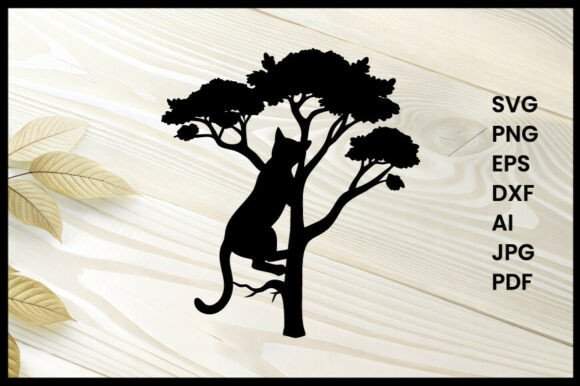
The moment you open the file, the mood is unmistakable. The Cat Climbing Tree Silhouette Vector exudes a quiet, cozy energy that feels right at home in a nursery or a rustic boutique. Unlike complex, multi-colored designs that demand attention, this piece relies on negative space and strong lines to tell its story. The dense foliage creates a textured backdrop that contrasts beautifully with the sleek outline of the climbing cat.
From a design perspective, the silhouette is clean. There are no jagged edges or unnecessary stray points that often plague vector files converted for stitching. The layout is balanced, making it versatile enough to sit centered on a sweatshirt or offset slightly on a kitchen towel without looking awkward. It feels like a classic motif that never goes out of style, perfect for creators who want their handmade product line to feel timeless rather than trendy.
Real-World Application: A Custom Tote Bag Project
To truly understand how this design performs, I ran a practical test by preparing a custom embroidered tote bag for a local craft fair. My goal was to create a unique accessory that would appeal to book lovers and plant enthusiasts alike. I chose a natural canvas tote and planned to use the Cat Climbing Tree Silhouette Vector as the focal point.
The process started with stabilizing the fabric. Because the design features dense foliage, I needed a sturdy cut-away stabilizer to prevent puckering. Once hooped, the machine began its work. The transition from the running stitch used for the fine details of the leaves to the satin stitch outlining the cat was smooth. The result was crisp and professional. When I held up the finished tote, customers immediately gravitated toward it. The silhouette had a modern, graphic quality that stood out even without color variation. It proved that sometimes less is more when it comes to embroidery project success.
Performance Across Different Products
One of the biggest advantages of the Cat Climbing Tree Silhouette Vector is its adaptability. It isn't limited to just one type of item. Here is how it performed across various mediums:
- Custom Apparel: On a heavyweight cotton sweatshirt, the design held its shape perfectly. The density of the foliage provided a nice texture that felt substantial against the soft fabric.
- Baby Embroidery: I tested the design on a onesie using soft, pastel thread colors. The rounded shapes of the tree branches are gentle and safe-looking, making it an ideal choice for personalized gift items for infants. However, I recommend keeping the size moderate to avoid stiffness around the neck.
- Holiday Embroidery: For holiday gifts, this design works surprisingly well. Imagine the silhouette stitched in white or gold thread on a dark green pillow cover. It captures the essence of winter forests and cozy nights indoors.
- Embroidered Patches: If you plan to make sew-on patches, the solid black silhouette (or single-color fill) makes cutting and finishing the edges much easier compared to intricate, multi-line designs.
Where to Use Caution
While this is a robust design, it is not without its limitations. As an experienced reviewer, I need to highlight where the Cat Climbing Tree Silhouette Vector might struggle if applied incorrectly.
Small Hoop Sizes: If you attempt to stitch this on a very small hoop, such as those used for socks or tiny accessories, the dense foliage may become muddy. The individual stitches can blend together, losing the definition of the leaves. Always ensure your hoop size matches the complexity of the design.
Textured and Stretchy Fabrics: While it works well on stable fabrics like canvas or denim, be careful with highly textured materials like chunky knits or stretchy jersey. The tension required for the fill stitch areas could distort the fabric, leading to a wavy appearance. In these cases, using a high-quality tear-away or wash-away stabilizer is non-negotiable.
Dense Stitch Areas: The "dense foliage" aspect of the description is a double-edged sword. On thin fabrics, too much density can make the material stiff and uncomfortable. If you are designing for a shirt that will be worn frequently, consider reducing the stitch count slightly if your software allows, or stick to lighter weight fabrics.
Impact on Brand and Customer Trust
In the world of Etsy sellers and small shop products, presentation is everything. A sloppy stitch job can ruin a brand's reputation, but a clean, well-executed design builds trust. The Cat Climbing Tree Silhouette Vector contributes significantly to a professional look because of its clarity. When a customer sees a sharp, well-defined silhouette on a tote bag design or a pillow cover, they perceive higher value.
This design also enhances brand consistency. Whether you are selling digital design assets or physical goods, having a signature style helps buyers recognize your work. The silhouette offers a distinct visual identity that fits well with bohemian, nature-inspired, or minimalist branding strategies. It signals to the buyer that you care about detail and quality.
Practical Designer Notes for Success
Before you download and start stitching, here are a few essential steps to ensure your commercial embroidery projects go smoothly:
- Test on Scrap Fabric: Never jump straight into a final product. Run a test on a scrap piece of the same fabric you intend to use. This helps you gauge thread tension and fabric reaction.
- Check Thread Color Contrast: Since this is a silhouette, the contrast between the thread and the fabric is critical. Test both light and dark thread options to see which provides the best visibility.
- Review Stitch Density: Inspect the digital file to confirm the stitch density is appropriate for your intended fabric. If the design is too heavy, it may cause the fabric to pucker.
- Use Proper Stabilizer: Invest in good stabilizers. For the dense foliage, a cut-away stabilizer usually provides the best long-term durability, especially for items that will be washed frequently.
- Confirm Licensing: If you plan to sell the finished items, verify the licensing terms. Ensure you have the right to use the Cat Climbing Tree Silhouette Vector for commercial purposes and check if there are any restrictions on the number of units you can produce.
- Mockup Visualization: Before investing in materials, use printable mockups to visualize how the design looks on different products. This helps you decide if it fits your craft business aesthetic before you commit to production.
Ultimately, the Cat Climbing Tree Silhouette Vector is a versatile tool for any creative entrepreneur. It bridges the gap between simple graphics and complex embroidery, offering a design that is easy to execute but impactful in appearance. Whether you are creating a digital embroidery file for a client or crafting a custom apparel item for a local market, this silhouette delivers the quality and charm that modern buyers expect.