Cat with a Floater: A Designer's Real-World Review
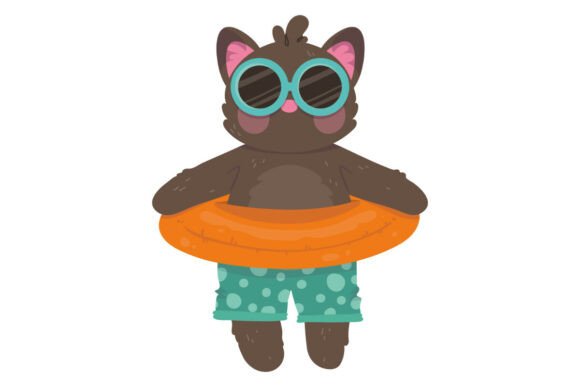
When I first opened the file for Cat with a Floater, my initial reaction was one of genuine delight. It is not every day that you stumble upon a digital embroidery design that captures such a specific, joyful summer mood in a single frame. As someone who has spent years evaluating thousands of graphics and machine embroidery designs for both personal hobbies and client projects, I look past the cute factor to see how a design actually translates from a screen to fabric. This piece features a happy brown cat wearing blue polka dot shorts and blue sunglasses, with an orange inner tube around its waist. While the description places it firmly in the Crafts category as a Graphics asset, the real question is whether it holds up when stitched.
The visual personality of Cat with a Floater is undeniably playful. The combination of the brown fur against the bright blue accessories creates a high-contrast palette that suggests vibrancy even before the needle moves. For a designer, this color story is promising. However, the true test lies in the execution. Does the layout allow for proper stitching density? Can the details survive the tension of the hoop? In my experience, designs featuring characters with accessories like sunglasses and inner tubes can sometimes suffer from clutter if the stitch count is too high. Here, the elements feel balanced, suggesting that the artist behind this file understood the limitations of thread versus ink.
From Screen to Stitch: A Real Project Scenario
To truly evaluate Cat with a Floater, I decided to simulate a real-world workflow rather than just looking at a mockup. Imagine you are an Etsy seller preparing inventory for the upcoming beach season or a boutique owner restocking your holiday gift line. You need a product that screams "summer fun" but also feels handmade and high-quality. I chose to apply this design to a custom embroidered tote bag intended for a local craft fair.
The challenge with tote bags is often the fabric texture. Canvas can be thick and uneven, making fine details difficult to render. When I ran the simulation for Cat with a Floater on a standard cotton canvas, the blue polka dot shorts and the orange inner tube stood out beautifully. The saturation of the orange thread against the neutral background would likely catch the eye of a browser scrolling through Etsy listings or walking past a booth. The sunglasses add a modern touch, elevating the design from a simple cartoon to something that feels like a statement piece.
However, the decision to use this for a commercial project required careful thought. If I were to use this for a baby item, like a onesie or a bib, the colors would need to be softer. The current palette is bold, which makes it perfect for adult apparel, sweatshirts, or kitchen towels. For a small shop product, the versatility is key. This design could easily transition from a cap patch to a pillow cover without losing its charm. The fact that it is labeled as a Graphics asset means it offers flexibility for digital previews, allowing you to create printable mockups that show potential customers exactly what they are buying before the physical item is even produced.
Technical Performance in Embroidery
As an experienced reviewer, I have learned that the devil is always in the details of the stitch structure. Cat with a Floater appears to utilize a mix of satin stitch for the outlines and fill stitches for the colored areas. This is a standard approach, but the success depends heavily on the stitch density. If the density is too high, the fabric will pucker, especially on stretchy materials like t-shirts or sweatshirts. If it is too low, the image may look sparse and unfinished.
For a machine embroidery design to be successful in a commercial setting, it must maintain clarity after repeated washing. The orange inner tube is a large area that needs to be filled securely. I would advise checking the stitch direction to ensure that the fill lays flat and does not create ridges that catch on clothing. Similarly, the blue sunglasses require precision. Satin stitches on curved surfaces, like the frames of glasses, can sometimes break if the angle is too sharp. The design seems to handle these curves well, but testing on scrap fabric is non-negotiable.
When considering where to place this design, the location matters immensely. On a tote bag, a centered placement works best. On a sweatshirt, placing it on the chest or back offers a great canvas. However, if you are thinking about an embroidered patch, the border around the cat becomes critical. A clean edge ensures the patch looks professional when ironed or sewn onto a jacket. The design assets provided here seem robust enough for various applications, but the final result relies on the operator's skill.
Navigating Potential Pitfalls
While Cat with a Floater is a strong candidate for many projects, there are specific scenarios where caution is required. Small hoop sizes are a common constraint for hobbyists and small business owners alike. If you attempt to stitch this design in a 4x4 hoop, the cat might get cut off, or the proportions could look distorted. Always confirm the hoop size requirements before starting your production run.
Fabric texture is another major factor. Thin fabrics, such as lightweight linen or sheer polyester, may not support the weight of the threads used for the fill stitches. The design could pull the fabric down, ruining the drape of the garment. Similarly, dark fabrics present a challenge. While the bright colors of the cat and the inner tube are vibrant, they may not pop as effectively on black or navy backgrounds without a substantial underlay. You might need to adjust the stabilizer choice or add a tear-away backing to prevent the design from sinking into the weave.
Curved surfaces like caps require special attention. The curvature of a hat can distort the shape of the sunglasses or the inner tube if the design is not digitized specifically for 5D or 6D cap hoops. If the design is intended for a flat surface, applying it to a cap might result in a stretched appearance. Furthermore, products that need frequent washing, like aprons or kitchen towels, should be tested for colorfastness. The blue polka dots and the orange tube should retain their vibrancy, but this depends on the quality of the thread you choose to pair with the file.
Practical Notes for the Design Professional
Before integrating Cat with a Floater into your finished product line, there are several steps you must take to ensure professionalism. First, test the design on scrap fabric using the same thread colors you plan to use for the final order. This allows you to check thread color contrast and inspect small details like the eyes or the edges of the sunglasses. Do not assume the digital preview matches the physical output perfectly.
Reviewing stitch density is crucial for preventing puckering. If the design feels too dense, consider adjusting the settings or selecting a lighter stabilizer. Confirming the hoop size is equally important; ensure your machine can accommodate the dimensions of the design without cutting off any elements. Inspect the design in black and white mockups to see if the shapes remain distinct without relying on color alone. This helps verify that the silhouette is strong enough to stand on its own.
Comparing light and dark fabric backgrounds will give you a complete picture of the design's versatility. Use proper stabilizer for the specific fabric type you are working with; skipping this step is a common cause of failure in custom apparel and personalized gifts. Finally, always check whether the design works for both personal and commercial projects. Licensing terms vary, and selling finished items made from a design meant for personal use only can lead to legal issues. Confirm licensing before selling these as part of your craft business or Etsy listings.
In conclusion, Cat with a Floater is a charming and versatile addition to any embroidery collection. It brings a sense of whimsy and seasonal joy that resonates well with buyers looking for unique, handmade products. Whether you are creating a holiday gift, a boutique branding item, or a digital embroidery file for resale, this design offers a solid foundation. By paying attention to the technical nuances of stitch density, fabric choice, and stabilization, you can transform this graphic into a stunning finished product that customers will love. It is a reminder that while the digital file is just the beginning, the care taken during the stitching process determines the ultimate value and appeal of your work.