Vintage Kawaii Chonk Cat Review
As a designer who has spent years turning digital files into tangible, stitched treasures, I know that the difference between a cute image and a successful embroidery project often comes down to execution. When I first encountered the Vintage Kawaii Chonk Cat, Funny Fat Cat listing, my immediate reaction was one of genuine amusement. It captures a specific mood that is currently dominating the crafts and graphics markets: a blend of retro nostalgia and modern internet humor. But before you add this to your cart for your next Etsy seller inventory or personal gift, I need to walk you through exactly how this design behaves when it leaves the screen and hits the hoop.
The First Stitch: Visual Personality and Mood
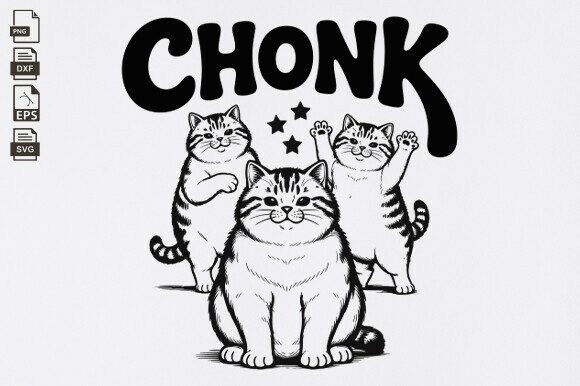
The Vintage Kawaii Chonk Cat, Funny Fat Cat design isn't just a picture; it's a character with attitude. The "chonk" aesthetic implies a plump, comfortable silhouette that naturally lends itself to soft, rounded stitching techniques. From a design perspective, this is excellent because it avoids the jagged edges that often plague poorly digitized cat designs. The vintage vibe suggests a slightly muted color palette in the mockups, which translates beautifully to thread choices like mustard yellows, dusty pinks, or sage greens rather than neon primaries.
When I look at the layout, it feels balanced for a central chest placement on a sweatshirt or the front pocket area of a tote bag. It creates an instant connection with the viewer, evoking feelings of comfort and whimsy. This emotional resonance is crucial for handmade products where the story behind the item matters as much as the craft itself. It is the kind of design that makes a customer smile before they even read the description, which is a powerful tool for small business owners.
Real-World Application: The Custom Tote Bag Scenario
Let's imagine a real-life scenario. You are preparing for a local craft fair, and you want to create a line of custom embroidered tote bags featuring your favorite animal motifs. You decide to test the Vintage Kawaii Chonk Cat, Funny Fat Cat file. You load the canvas onto a sturdy cotton duck tote bag and select a high-quality polyester thread in a warm cream color.
As the machine begins its work, the density of the fill stitch becomes apparent. For a fat cat design, the body requires substantial coverage to maintain its shape without looking sparse. In this scenario, the design holds up well. The curves of the cat's belly translate smoothly, creating a plush, three-dimensional effect that catches the light. Customers walking by the booth don't just see a logo; they see a tactile, textured piece of art. The "vintage" aspect shines through when paired with a slightly worn, heathered fabric background, making the finished product feel curated and timeless rather than mass-produced.
This same design could easily transition from a tote bag to a baby onesie or a nursery pillow cover. The roundness of the cat is gentle and non-threatening, making it perfect for baby embroidery. However, the success of this transition depends heavily on the stabilizer choice and the tension settings of your machine. A heavy-duty stabilizer is necessary for the tote bag to prevent puckering, while a lighter tear-away might suffice for delicate baby clothes.
Navigating Technical Challenges and Limitations
While the Vintage Kawaii Chonk Cat, Funny Fat Cat design is charming, no single file is a universal solution. There are specific areas where you must exercise caution. If you plan to use this on a curved surface like a baseball cap, the large footprint of the chonk cat might distort around the brim or crown unless the digitizing accounts for the curvature. Small hoop sizes are another potential pitfall. If you attempt to stitch this on a tiny patch or a small cuff, the details may get lost, or the stitch count might be too high for the available space, leading to thread breaks.
Fabric texture plays a massive role here. On a smooth, tight-weave fabric, the satin stitch will lay flat and crisp. However, on a thick, textured fleece or a loose-knit sweater, the needle might struggle to penetrate, causing the design to look lumpy or uneven. Similarly, if you are working with stretchy fabrics like jersey knit, you must use a strong cut-away stabilizer to ensure the design doesn't warp after washing. Dark fabrics present another consideration; while the design is versatile, the contrast of the thread against the fabric needs to be carefully selected to ensure the cat's features remain visible.
Impact on Brand Value and Customer Trust
In the world of commercial embroidery, the quality of your digitization directly impacts your brand reputation. A sloppy stitch job can make a personalized gift look cheap, regardless of how cute the design is. The Vintage Kawaii Chonk Cat, Funny Fat Cat file offers a solid foundation for building trust because its clean lines and clear shapes suggest professionalism. When customers receive a finished product where the cat looks plump and happy rather than distorted or pixelated, they are more likely to return for future purchases.
This design also serves as a great asset for printable mockups. Because the shape is distinct and the style is recognizable, it works well in digital previews for digital product sellers looking to showcase their services. It allows potential buyers to visualize the final result clearly, reducing hesitation and increasing conversion rates. Furthermore, the versatility of the file means you can offer variations—different thread colors, different backgrounds—without needing to buy new assets, maximizing the value of your initial investment.
Essential Designer Notes for Success
Before you start stitching, there are several practical steps every experienced maker should take. First, always test the design on scrap fabric that matches your final project material. This allows you to check the stitch density and ensure the needle isn't pulling the fabric too tightly. Second, review the thread colors in your software. The digital preview might show bright colors, but your actual thread spools might have different sheens or shades that alter the vintage aesthetic.
Confirming the hoop size is critical. If the design is larger than your machine's standard hoop, you will need to re-digitize it or split the file, which can introduce alignment issues. Inspect the small details closely; sometimes, tiny elements like whiskers or eyes can become tangled if the underlay stitches aren't set correctly. It is also wise to test the design in black and white mockups to ensure the composition works even without color information.
Finally, verify your licensing terms. While the listing mentions it is an INSTANT DOWNLOAD containing 1 SVG and 1 EPS, you must confirm whether these files are intended for commercial use. Are you allowed to sell finished items made with this design? Can you resell the digital file itself? Clarifying these points protects your craft business from legal complications. Using proper stabilizer and understanding the limitations of your machine will ensure that the Vintage Kawaii Chonk Cat, Funny Fat Cat transforms from a simple graphic into a high-quality embroidered patch or apparel feature that stands out in any collection.