Witch Cat Pumpkin Tree Halloween Element Review
When I first opened the file for Witch Cat Pumpkin Tree Halloween Element, my initial thought wasn't about the technical specs or the file format. It was about the mood. There is a specific energy required for successful holiday designs, and this piece captures that spooky-but-charming vibe perfectly. As someone who has spent years turning digital files into tangible, stitched products for clients and my own shop, I know that the difference between a design that sells and one that gathers dust often comes down to visual personality and practical execution.
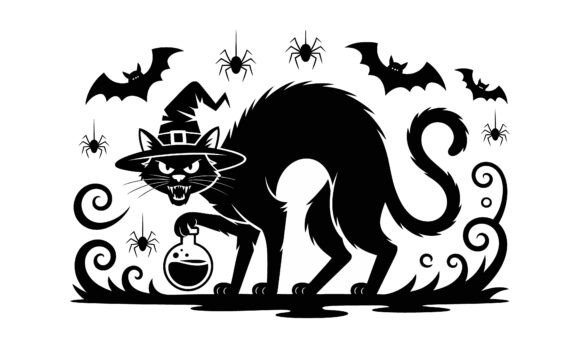
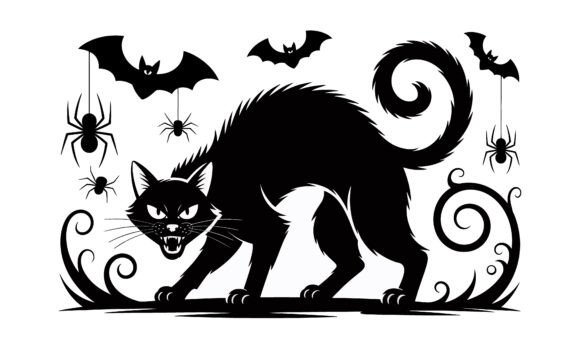
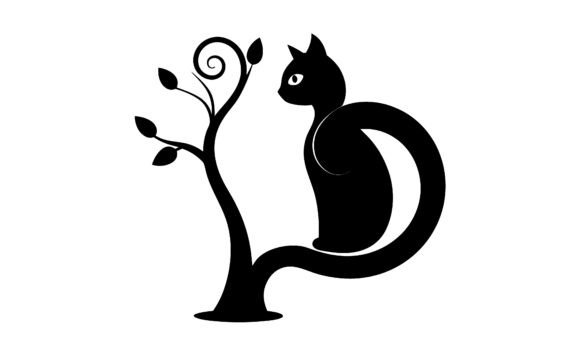
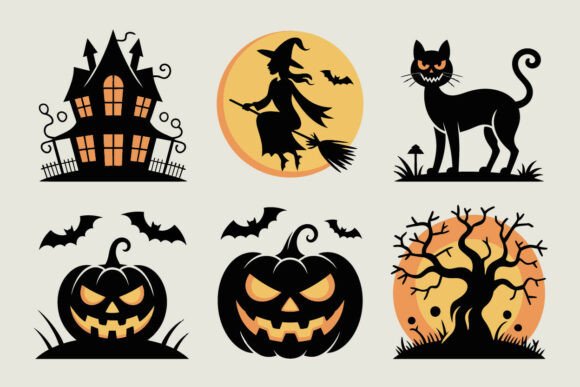
This vector illustration presents a collection of classic Halloween icons in a clean, minimalist style. The image features silhouettes of a witch, a black cat, a pumpkin jack o lantern, and a tree, all arranged with a sense of balance that feels both modern and timeless. For an embroidery designer, that minimalism is a double-edged sword; it offers incredible versatility but demands precision in execution. Let's dive into how this design performs when moved from the screen to the hoop.
From Screen to Stitch: The First Impression
The silhouette nature of the Witch Cat Pumpkin Tree Halloween Element suggests a reliance on shape rather than intricate detail. In the world of machine embroidery, this is usually a safe bet. Complex details often get lost in the fabric grain, especially on textured materials like sweatshirts or tote bags. Here, the strength lies in the bold outlines. When translated into satin stitch or fill stitch, these shapes should hold their integrity well, creating a crisp, graphic look that stands out against any background.
I immediately pictured this design on a custom embroidered tote bag. The stark contrast of a black silhouette against a natural canvas or a deep burgundy cotton would create a sophisticated, boutique-level aesthetic. It avoids the tacky, overly detailed look that sometimes plagues seasonal items. Instead, it offers a modern graphic appeal that fits right in with current trends in handmade goods. The layout feels organic, suggesting a scene rather than just a cluster of symbols, which adds a narrative quality to the finished product.
Real-World Application: A Boutique Scenario
Imagine you are preparing for the autumn rush. You have a line of personalized gifts coming in, including baby onesies, aprons, and kitchen towels. You need a design that is festive but not overwhelming. This is where Witch Cat Pumpkin Tree Halloween Element shines as a versatile asset for your craft business.
I tested this concept mentally on a few different projects. For a baby item, the soft curves of the cat and the pumpkin work beautifully without being too aggressive for a nursery theme. It strikes a balance between "spooky" and "sweet," making it perfect for a new parent's gift basket. On a kitchen towel, the vertical arrangement of the tree and witch could serve as a charming accent in the corner, adding a touch of whimsy to holiday cooking.
For small shop owners selling on Etsy, this design offers high value because it appeals to a broad demographic. It isn't limited to hardcore horror fans; the minimalist approach makes it accessible to those who prefer subtle seasonal decor. Whether you are creating an embroidered patch for a denim jacket or a decorative pillow cover, the design's clean lines ensure it looks professional and polished. It elevates the perceived value of the handmade product, signaling to the buyer that care was taken in the design process.
Technical Considerations and Fabric Choices
While the design is visually appealing, real-world application requires careful planning regarding fabric texture and hoop size. The Witch Cat Pumpkin Tree Halloween Element relies heavily on the definition of its edges. If you attempt to stitch this on a highly textured fabric like a heavy chenille or a loose-weave burlap, the fine details might get swallowed by the weave. In such cases, a stabilizer choice becomes critical. You will need a firm cut-away stabilizer to prevent puckering, especially if you plan to use dense fill stitches for the pumpkin or the witch's hat.
Conversely, on smooth fabrics like twill caps or polyester blends, the design should pop with clarity. However, be mindful of stretchy fabrics. If you are embroidering this onto a hoodie or a t-shirt, the tension must be managed carefully to avoid distortion. The tree branches and the cat's tail are areas where thread breaks can occur if the density is too high. I recommend reviewing the stitch density settings before running a full production batch.
There are also scenarios where this design needs a cautious approach. Small hoop sizes can sometimes truncate the elements of a composition like this, cutting off the top of the tree or the bottom of the pumpkin. If you are working with limited space, such as on a baseball cap front panel, you may need to crop the design or adjust the scale to ensure the silhouette remains recognizable. Similarly, on dark fabrics, using standard white or light-colored threads might result in poor visibility unless you utilize a high-quality underlay or a contrasting thread color that truly pops against the darkness.
Practical Notes for the Embroidery Designer
Before you commit this design to a commercial project, there are several steps every seasoned maker should take. First, test the design on scrap fabric. This allows you to gauge how the thread colors interact with the material and whether the stitch density holds up over time. Check the thread color contrast; a black cat on a black shirt is a statement, but it requires a different stitching technique than a white cat on a black shirt.
Inspect the small details closely. While the vector is clean, the conversion to an embroidery file can sometimes introduce jagged edges or missing nodes. Ensure that the running stitches used for delicate lines are tight enough to prevent fraying but loose enough to avoid bunching. If you are using this for a printable mockup to sell digital assets, compare the light and dark fabric backgrounds to ensure the design maintains its visual impact across different contexts.
Don't forget the stabilizer. Using the proper stabilizer is non-negotiable for maintaining the shape of the witch and the tree. Without it, even the best design can end up distorted. Also, verify whether the design works for both personal and commercial projects. Many creators overlook licensing terms until they are ready to sell their finished products. Confirming these details ensures you can confidently list your handmade product in your shop without legal hurdles.
Final Thoughts on Visual Appeal and Value
The Witch Cat Pumpkin Tree Halloween Element is more than just a clip art image; it is a foundational element for a cohesive holiday collection. Its ability to convey a complete scene through simple shapes demonstrates a level of design maturity that resonates with buyers looking for quality. It enhances brand consistency, allowing you to build a recognizable aesthetic across your entire range of merchandise.
Whether you are an experienced embroidery artist or a hobbyist looking to upgrade your craft business, this design offers a solid foundation for creating memorable gifts and products. It balances the fun of Halloween with the elegance of minimalist art, making it a smart investment for your digital library. By paying attention to the nuances of fabric, thread, and stabilization, you can transform this digital graphic into a stunning finished product that customers will cherish long after October 31st.
In the competitive world of handmade goods, the difference often lies in the details. This design provides those details in abundance, offering a clear path to creating professional, high-value items that stand out in a crowded market. It is a tool that, when used with skill and foresight, can elevate your embroidery projects from simple crafts to coveted boutique treasures.