Black and White Cat Chasing Butterflies
When I first opened the file for Black and White Cat Chasing Butterflies, my immediate thought wasn't about the technical specs or the file formats. It was about the mood. There is a specific energy to this vector illustration that feels both playful and timeless. As someone who has stitched hundreds of designs for clients ranging from boutique owners to hobbyists, I know that the difference between a good embroidery project and a great finished product often comes down to how well the design translates from a screen to thread.
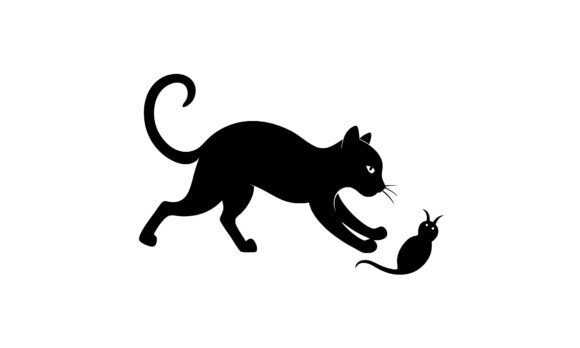
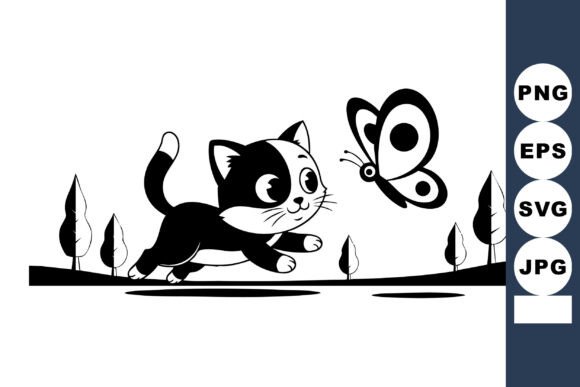
This piece captures a lively scene of a black and white cat chasing a butterfly among stylized plants. The visual personality is joyful, which makes it an incredibly versatile asset for various Crafts and Graphics applications. However, before you commit this design to your next production run, it is essential to understand how these elements behave under the needle. Let's walk through what happens when Black and White Cat Chasing Butterflies moves from a digital preview to a tangible, stitched reality.
The First Stitch: Visual Appeal and Design Personality
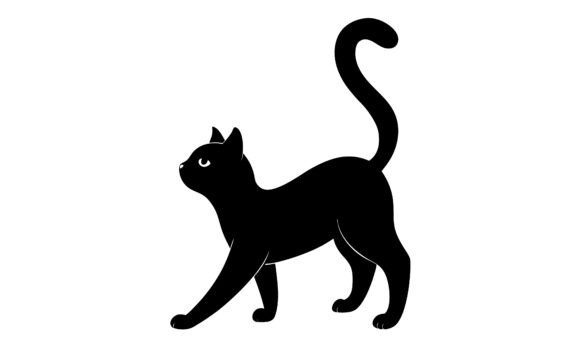
The strength of Black and White Cat Chasing Butterflies lies in its simplicity and movement. The contrast between the solid black shapes of the cat and the delicate lines of the butterfly creates a natural focal point that draws the eye immediately. In the world of embroidery, where we are constantly fighting against fabric texture and thread limitations, high-contrast designs often perform best. This design avoids the trap of being too busy; instead, it offers a clean narrative that reads clearly even at smaller scales.
I envision this design landing perfectly on a custom embroidered tote bag or a cozy sweatshirt. The "chasing" motion suggests dynamism, which works beautifully on apparel where the wearer's movement will animate the design further. For a handmade shop owner, this isn't just a picture; it is a conversation starter. A customer buying a personalized gift with this motif is likely looking for something whimsical yet sophisticated enough to be a staple in their wardrobe or home decor.
Real-World Application: From Tote Bag to Nursery Decor
Let me take you through a scenario I recently faced while preparing for a holiday craft fair. I needed a design that could bridge the gap between adult fashion and children's items without losing its charm. Black and White Cat Chasing Butterflies fit that bill perfectly. I decided to test it on two very different products: a heavy-duty canvas tote bag and a soft cotton baby onesie.
On the canvas tote, the design held up exceptionally well. The bold outlines of the cat and the stylized plants provided a strong structure that stood out against the textured fabric. The lack of complex shading meant that the stitch density remained manageable, preventing the fabric from puckering—a common issue with dense fill stitches on thick materials. Customers at the booth were drawn to the clean look, noting that it felt more like a modern graphic print than a traditional, fussy floral pattern.
Conversely, placing this same design on a baby item required a shift in approach. The delicate nature of the butterfly and the fine details of the plants demanded a softer touch. Here, the design worked as a gentle accent on a nursery pillow cover or a tea towel. The playful theme resonated with parents looking for unique, non-cliché options for their nurseries. It proved that Black and White Cat Chasing Butterflies is not limited to one demographic; it adapts to the context of the product while maintaining its core identity.
Where Caution Is Key: Fabric and Placement Challenges
While this design is robust, no single embroidery file is a magic bullet for every situation. As an experienced reviewer, I must highlight where Black and White Cat Chasing Butterflies might face challenges. If you are planning to use this on a curved surface like a baseball cap, you need to be mindful of the distortion that occurs during stitching. The stylized plants and the butterfly wings may stretch slightly depending on the curvature of the hat panel.
Furthermore, consider the fabric texture. On thin, stretchy fabrics like jersey or light knits, the stabilizer choice becomes critical. Without proper backing, the tension required to stitch the detailed corners of the butterfly could cause the fabric to ripple. Similarly, if you attempt to stitch this on dark fabric using only standard white thread, the black sections of the cat might get lost unless you use a high-density satin stitch or a contrasting thread color for the outlines.
Small hoop sizes also present a risk. While the design is not overly large, the detail level of the butterfly and the foliage requires enough space to execute cleanly. If you try to compress this into a tiny 4x4 hoop, the individual stitches may crowd each other, blurring the distinction between the cat and the background. Always check your hoop size compatibility before finalizing a small merchandise item.
Impact on Brand and Customer Trust
In the competitive landscape of Etsy sellers and small business owners, the quality of your finished product directly impacts your brand reputation. Black and White Cat Chasing Butterflies elevates the perceived value of a product because it looks intentional and professional. When a customer receives a personalized gift or a custom apparel item, they notice the clarity of the stitching. A design that is crisp and well-executed builds trust and encourages repeat purchases.
The versatility of this design allows for consistent branding across different product lines. Whether you are selling embroidery files, creating digital embroidery assets, or producing physical goods, the cohesive look of the cat and butterfly theme ties everything together. It signals to buyers that you care about the details, from the initial mockup to the final wash. This attention to detail is what separates a hobbyist project from a commercial-grade product.
Practical Designer Notes for Success
Before you start stitching, there are several technical steps you should take to ensure the best outcome. First and foremost, always test the design on scrap fabric that matches your intended project material. This simple step can reveal issues with thread tension, stabilizer type, or stitch density that aren't apparent in a digital view.
Review the stitch types carefully. This design likely utilizes a mix of satin stitch for the outlines and fill stitch for the cat's body, along with running stitch for the delicate plant stems. Ensure that your machine settings align with these requirements. If the design includes areas of high density, consider reducing the stitch count slightly or adjusting the underlay to prevent bulkiness.
Thread color selection is another crucial factor. Since the original illustration is black and white, you have the freedom to interpret this creatively. Using black thread for the cat and a vibrant color for the butterfly can create a striking pop of color, while sticking to monochromatic threads offers a classic, elegant look. Don't forget to inspect small details closely; sometimes, the smallest parts of a design, like the butterfly antennae, require manual trimming or additional stabilization to look their best.
Finally, confirm your licensing terms. If you plan to sell finished items featuring Black and White Cat Chasing Butterflies, ensure that the commercial license allows for this use. Understanding the rights associated with your embroidery project protects your business and ensures you are operating ethically within the creative community.
By approaching Black and White Cat Chasing Butterflies with a clear understanding of its strengths and limitations, you can create stunning finished products that delight customers and elevate your craft business. Whether you are making holiday gifts, boutique merchandise, or personal keepsakes, this design offers a reliable foundation for creativity and professional results.