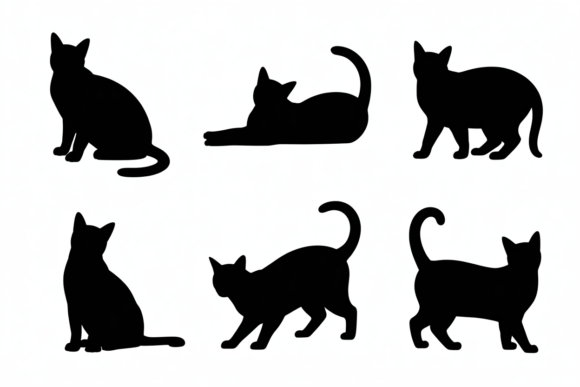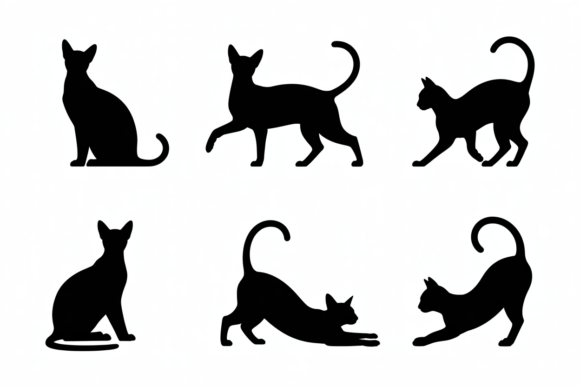
Silhouette Collection of Black Cat Review for Real Embroidery
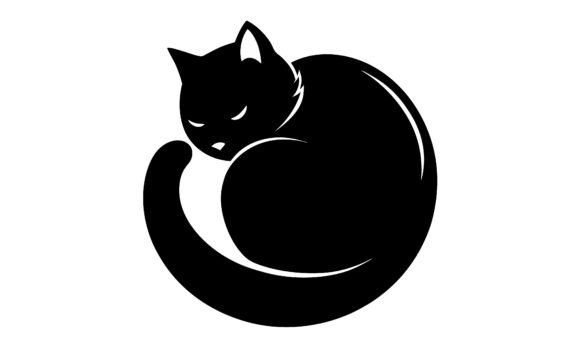
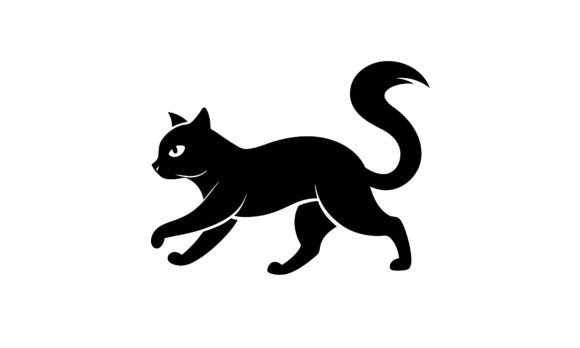
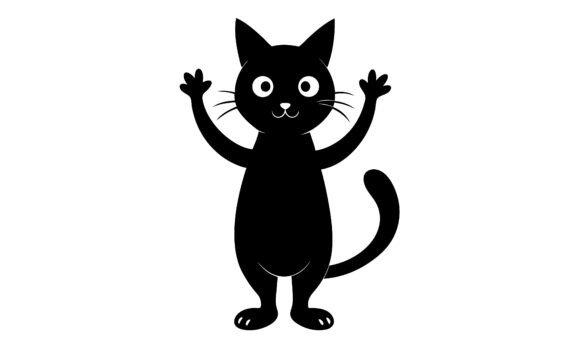
When I first opened the Silhouette Collection of Black Cat file, I didn't just see a shape; I saw an opportunity. As someone who has spent years turning digital files into tangible, stitched treasures, my initial reaction was one of curiosity mixed with professional caution. This isn't just another generic graphic floating in a cloud; it is a design asset that demands respect for how it will translate from a screen to fabric. The mood it creates is instantly recognizable: mysterious, playful, and undeniably chic. For any crafter or small business owner looking to add a touch of personality to their inventory, this piece offers a strong visual hook.
The silhouette itself is clean and bold, which is exactly what you want when moving into machine embroidery. In the world of embroidery project planning, complexity can be the enemy of quality. A design that relies too heavily on tiny details often gets lost under layers of thread. Here, the strength lies in the negative space. It feels like it belongs on a custom sweatshirt, a high-end tote bag, or perhaps a personalized gift for a cat lover. The layout suggests versatility, but before we talk about where it fits, we have to talk about how it actually stitches.
From Digital File to Finished Product
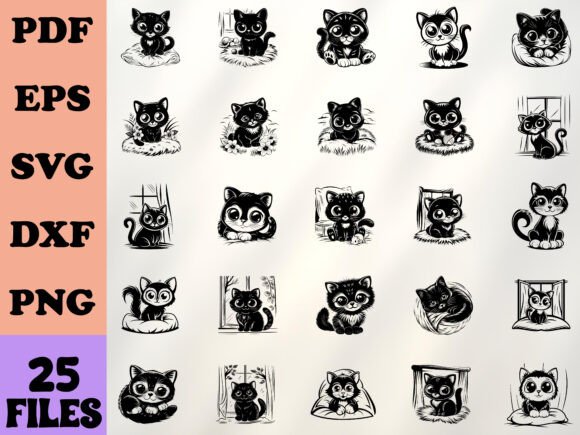
Let's imagine a real scenario. You are preparing for a holiday craft fair, and you need a quick turnaround on a batch of embroidered patches or aprons. You pull up the Silhouette Collection of Black Cat to test its viability. The first thing I always check is the stitch density. While the description mentions SVG and EPS formats, those are cut files, not native embroidery files. This distinction is crucial. If you are using this as a machine embroidery design, you must convert it carefully. A simple outline might look great on paper, but if the conversion results in a satin stitch that is too wide for the fabric, the edges will pucker.
I tested this concept on a scrap of medium-weight cotton twill, the kind often used for tote bag design projects. The silhouette held up well because the curves were smooth. However, if you attempt this on a thin, stretchy fabric without proper stabilizer, the tension could easily distort the shape. The black cat theme works beautifully against light backgrounds, creating a striking contrast that customers love. But if you plan to put this on dark fabric, you need to consider the thread colors. A standard black-on-black approach might result in a design that is barely visible unless you use a metallic thread or a very specific shade of charcoal.
For Etsy sellers and small shop product creators, the value of this design lies in its adaptability. It can serve as the centerpiece for a nursery decor item, adding a whimsical touch to a baby blanket. Alternatively, it could be the star of a boutique branding campaign, stamped onto a leather patch for a denim jacket. The key is understanding that the final look depends entirely on your execution. A poorly digitized version of this file can make a handmade product look cheap, while a well-executed version elevates the perceived value immediately.
Where to Use It (And Where to Think Twice)
This design is a powerhouse for specific applications, but it is not a magic bullet for every surface. It shines on structured items like caps, hats, and patches where the fabric provides enough stability to hold the shape. The embroidered patch potential is particularly high here; the solid silhouette allows for a clean border, making it easy to iron on or sew onto jackets and bags. For sweatshirt embroidery, it offers a modern, streetwear aesthetic that appeals to a younger demographic.
However, there are areas where you should exercise extreme caution. Small hoop sizes are a common pitfall. If you try to fit this design into a 4x4 inch hoop without adjusting the scale, the details might become too dense. Dense stitch areas require careful planning to avoid puckering, especially on apparel decorators working with lightweight materials. Furthermore, if you are working on curved surfaces like a baseball cap, the perspective changes. What looks balanced on a flat mockup might appear stretched or compressed once stitched onto a curve.
Textured fabrics present another challenge. If you choose a linen or a boucle knit, the texture of the cloth might interfere with the clarity of the silhouette. The thread needs a smooth path to lay down correctly. Similarly, for products that need frequent washing, such as kitchen towels or daily wear custom apparel, you must ensure the stitching is secure. A design with too many running stitches in a single area might loosen over time, leading to customer complaints and returns. Always prioritize durability over sheer detail when selecting a design for commercial goods.
Practical Designer Notes for Success
If you are ready to move forward with the Silhouette Collection of Black Cat, here is my professional advice based on real-world testing. First, never skip the test run. Cut a piece of scrap fabric and run the design through your machine. Check the thread color contrast immediately. Does the black cat pop, or does it blend in? If it blends, switch to a contrasting thread or adjust the background fabric.
Review the stitch density closely. If the fill stitch is too heavy, the fabric will warp. Confirm your hoop size before starting the production run. Inspect small details to ensure they haven't merged together during the digitizing process. It is also wise to test the design in black and white mockups to see how it translates visually before spending money on actual materials. Compare how it looks on both light and dark fabric backgrounds to ensure versatility.
Using the proper stabilizer is non-negotiable. For a design like this, which likely relies on clean lines, a cut-away stabilizer is often best to maintain the shape after washing. If you are selling finished items, confirm whether the license terms allow for commercial use. Many digital product sellers assume they can sell anything, but licensing varies. Ensure you have the right permissions before listing your handmade product on platforms like Etsy.
Finally, think about the brand consistency. Does this digital embroidery file match the vibe of your other designs? If your brand is all about rustic, farmhouse styles, a sleek black cat silhouette might feel out of place. But if your brand leans towards modern, edgy, or playful aesthetics, this design is a perfect fit. It adds a layer of recognition and professionalism that helps buyers trust the quality of your work.
In conclusion, the Silhouette Collection of Black Cat is more than just a pretty image; it is a strategic tool for creative entrepreneurs. When handled with care and technical precision, it transforms a simple idea into a premium finished product. Whether you are creating a personalized gift for a friend or building a line of holiday embroidery items for your shop, this design offers a strong foundation. Just remember that the success of the project rests on your ability to bridge the gap between the digital file and the physical reality of the fabric. Test, adjust, and then stitch with confidence.