Black Cat in Different Poses: A Designer's Real-World Review
As someone who has spent years stitching designs for clients, running a small Etsy shop, and judging the viability of digital assets before they hit the hoop, I know that not every embroidery file is created equal. Today, I am putting Black Cat in Different Poses through its paces to see if it truly deserves a spot in my commercial library. This isn't just about how the design looks on a screen; it is about how it translates into thread, fabric, and a finished product that customers will actually want to buy.
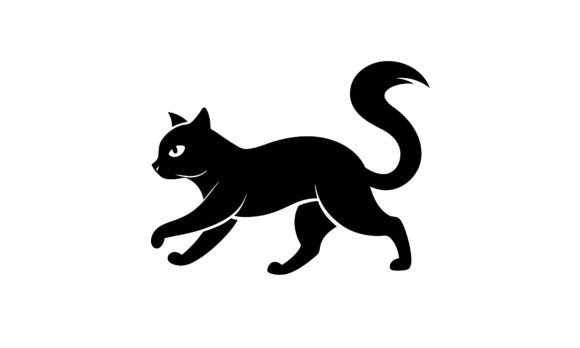
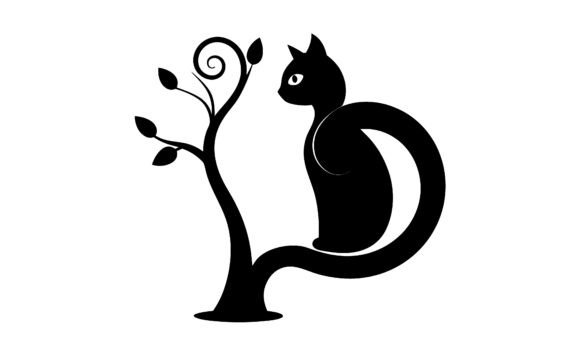
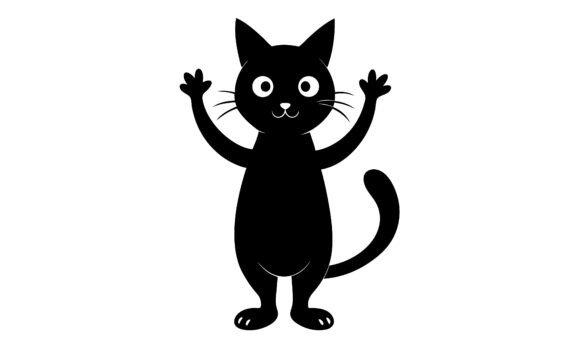
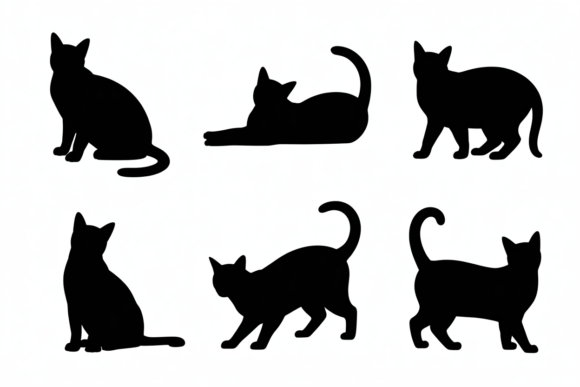
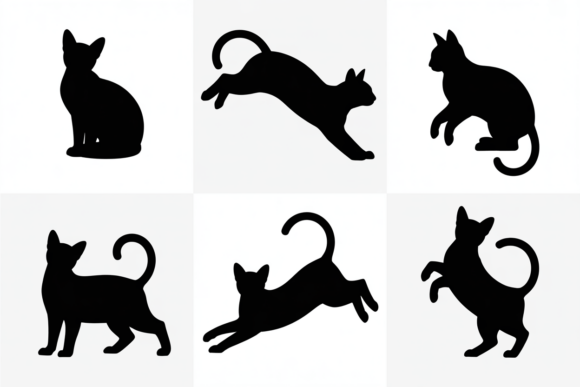
The first impression of Black Cat in Different Poses is one of playful versatility. The silhouette style immediately suggests a modern, clean aesthetic that works well for both whimsical nursery decor and edgy streetwear. Unlike cluttered designs that rely on excessive detail, this piece leans into negative space and strong outlines. For a designer looking to create a cohesive brand identity, this mood is perfect. It feels like a character you can build a story around, making it an ideal candidate for a series of products rather than a standalone novelty item.
Real-World Application: From Screen to Stitch
I recently considered using this design for a custom order: a set of personalized aprons for a local coffee shop owner who loves cats. The client wanted something cute but professional enough to be worn daily. When I laid out Black Cat in Different Poses on a mockup of a heavy-duty cotton canvas, the silhouette held up beautifully. The simplicity meant that even with a busy background texture, the cat remained the focal point.
In scenarios like custom apparel or sweatshirt embroidery, the strength of this design lies in its adaptability. Because it is provided as a digital embroidery file in formats suitable for cutting and digitizing (SVG and EPS), it offers flexibility that pure stitch files sometimes lack. You can use it as a guide for applique work, layering different fabrics to create depth, or keep it simple with a solid satin stitch outline. For a boutique selling handmade goods, this versatility allows you to create multiple variations of the same asset without needing to re-digitize everything from scratch.
Imagine a holiday gift collection where this design is embroidered on tea towels, pillow covers, and baby onesies. The consistent visual language across these items creates a sense of professionalism that elevates the perceived value of your handmade product. Customers often pay a premium for consistency and clarity, and Black Cat in Different Poses delivers exactly that. It avoids the "muddy" look that happens when a design is too complex for the fabric density, ensuring that the final result looks crisp and intentional.
Where This Design Shines
- Tote Bag Designs: The bold lines of the cat silhouette stand out perfectly against canvas or denim, making it a staple for any crafter selling bags at craft fairs.
- Baby Embroidery: For soft fabrics like jersey or cotton interlock, the smooth curves of the silhouette are gentle on the eye and safe for sensitive skin, provided the stabilizer is used correctly.
- Holiday Embroidery: Whether for Halloween or year-round, the black cat theme fits seamlessly into seasonal collections, allowing you to quickly generate new listings for your online store.
- Embroidered Patches: If you have access to a machine capable of creating patches, the clear edges make this design easy to finish with a merrow border or heat-seal backing.
Navigating Potential Pitfalls
However, being an experienced reviewer means I must also point out where things can go wrong. While Black Cat in Different Poses is robust, it is not immune to the limitations of the medium. One of the most critical factors is the hoop size. If you attempt to stitch this on a very small surface area, such as a tiny cap brim or a narrow sleeve cuff, the details might get lost or the alignment could shift during the process.
Textured fabrics present another challenge. On a heavily woven linen or a fuzzy fleece, the sharp definition of a silhouette can sometimes blur. In these cases, the stitch density becomes crucial. If the fill stitches are too tight, the fabric may pucker; if they are too loose, the shape may lose its integrity. I strongly advise testing the design on scrap fabric first to ensure the tension is balanced.
Dense stitch areas require careful attention. If the design includes large blocks of fill stitch, you must use a high-quality stabilizer to prevent the fabric from distorting. Additionally, while the silhouette is clean, it lacks the intricate detailing found in more complex portraits. If your goal is hyper-realism, this design might feel too graphic. But for a stylized, logo-like appearance, it is excellent.
When considering dark fabrics, the choice of thread colors becomes paramount. A black cat on a black shirt requires a specific technique, such as using a lighter thread for the outline or employing a reverse applique method. Without proper planning, the design could disappear entirely into the background. Always inspect small details and test color contrast before committing to a full production run.
Practical Notes for the Professional Designer
Before you download and start stitching, there are a few non-negotiable steps to ensure success. First, verify the file formats. The description mentions SVG and EPS, which are fantastic for vector-based workflows, but you need to confirm if these convert cleanly into your specific machine's native format (like .PES, .DST, or .JEF). Do not assume compatibility; check the specifications provided by the seller.
Second, review the licensing terms carefully. Are you allowed to sell finished products made with this design? Many creators restrict commercial use unless a specific license is purchased. As a crafter business owner, protecting yourself from legal issues is just as important as the quality of the stitch. Confirm whether the design is intended for personal gifts only or if it supports commercial embroidery projects.
Third, always test the design in black and white mockups. This helps you visualize the impact of the negative space and ensures that the layout works regardless of the thread color you eventually choose. Compare light and dark fabric backgrounds to see how the silhouette behaves in different contexts. Finally, ensure you have the right stabilizer for the project type. A cut-away stabilizer is usually best for stretchy fabrics like those used in sweatshirt embroidery, while tear-away might suffice for stable wovens like those used in kitchen towel designs.
Final Verdict on Visual Appeal and Value
In conclusion, Black Cat in Different Poses is a smart addition to any designer's toolkit. It strikes a balance between artistic flair and technical feasibility. It enhances the visual appeal of a product without overwhelming the wearer, making it a great choice for personalized gifts and small shop products. The clean lines project a sense of professionalism that builds trust with buyers who are looking for high-quality design assets.
For Etsy sellers and creative entrepreneurs, this design offers a reliable foundation for building a collection. It allows you to focus on marketing and customer service rather than worrying about whether the embroidery will hold together after a few washes. By understanding the nuances of fabric texture, stitch density, and proper setup, you can transform a simple digital graphic into a tangible, profitable product.
Whether you are creating a unique embroidery project for a friend or scaling up to mass-produce apparel for your brand, this design provides the structure you need to succeed. Just remember to do your homework on the technical specs, respect the licensing, and always test before you sell. With the right approach, Black Cat in Different Poses can become a signature element of your creative output.