Black Cat Walking on a Fence Review
There is a specific kind of magic in embroidery that digital printing simply cannot replicate. It is the texture, the slight imperfection of the thread catching the light, and the tactile weight of a design that feels like it belongs to the object itself. As a designer who has spent years testing thousands of files for client projects and my own handmade shop, I approach every new download with a mix of excitement and skepticism. Today, I am putting Black Cat Walking on a Fence through its paces to see if it truly deserves a spot in your workflow.
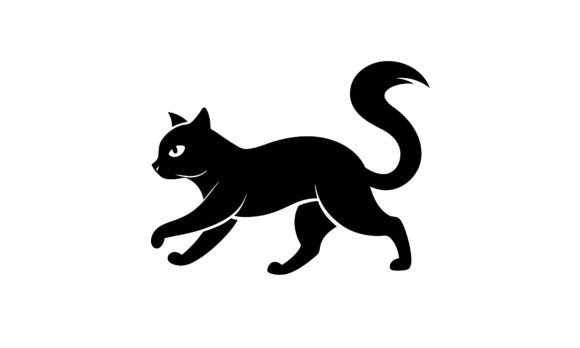
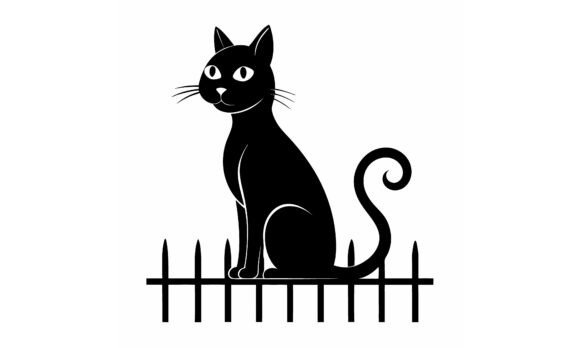
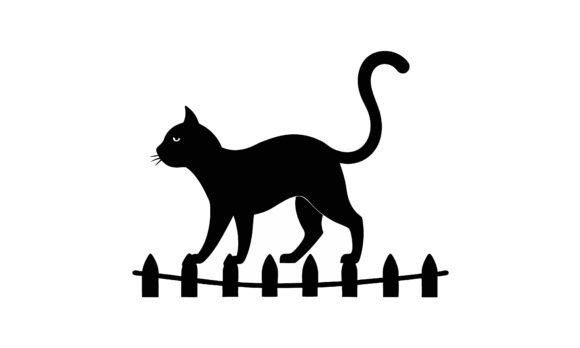
When I first opened the file, the immediate impression was one of quiet mischief. The silhouette captures a feline mid-stride, balancing precariously along a horizontal line. It creates a mood that is equal parts gothic charm and playful curiosity. Unlike generic cat designs that often feel too cartoonish or overly detailed, this piece relies on negative space and strong outlines. For an embroidery project, this is crucial. A design that looks good on screen can sometimes fall apart under the needle if the details are too fine. This silhouette, however, promises clarity.
Real-World Application: From Screen to Stitch
I decided to test this design on a custom tote bag project for a local boutique client. They wanted something unique for their Halloween collection but didn't want the typical pumpkin motifs everyone else uses. The goal was to create a statement piece that felt artisanal yet modern. I loaded the Black Cat Walking on a Fence into my digitizing software and began setting up the parameters.
The first thing I noticed was how well the layout translates to a vertical canvas. The fence acts as a natural horizon line, which works beautifully on the front panel of a tote bag or the chest area of a sweatshirt. When I stitched the initial sample on a heavy cotton canvas, the satin stitch outlining the cat's body held up perfectly. The contrast between the dark thread and the black fabric was subtle, creating a tonal look that screams "high-end." However, when I switched to a lighter background, the silhouette popped with striking clarity.
This versatility is what makes a design valuable for a craft business. Whether you are selling personalized gifts at a holiday market or listing items on Etsy, having a motif that adapts to different colorways is essential. I also tested the design on a baby onesie using soft pastel thread. The gentle curve of the cat's back and the delicate fence line translated surprisingly well onto the small scale of infant wear. It feels less like a scary monster and more like a whimsical companion, which is exactly what parents look for in nursery decor or baby apparel.
Navigating Technical Challenges
While the design is promising, no embroidery file is without its pitfalls. If you are planning to use Black Cat Walking on a Fence for commercial embroidery projects, you need to be strategic about where you place it. The design features a long, continuous line representing the fence. On curved surfaces like caps or hats, this line can distort if the curvature is too extreme. I found that placing the design on the flat front panel of a cap worked well, but trying to wrap it around the side caused the fence segments to bunch up.
Another critical factor is the hoop size. Because the design spans a width, attempting to fit it into a very small hoop might force you to split the design or reduce the scale so much that the texture of the fence becomes indistinguishable from the cat's fur. For best results, ensure your hoop accommodates the full width of the silhouette without compromising the stitch density. Speaking of density, if you are working with thin or stretchy fabrics, you must use a proper stabilizer. Without adequate backing, the tension required to hold the fence lines could cause the fabric to pucker, ruining the professional finish.
I also recommend testing this on textured fabrics with caution. While the rough weave of burlap or denim can add character, highly textured materials might hide the finer details of the stitching. In these cases, a smoother fabric allows the silhouette to shine. If you are aiming for a high-end boutique product, the choice of fabric is just as important as the design itself.
Visual Appeal and Brand Consistency
In the world of handmade products, visual consistency builds trust. Customers buying a $45 embroidered patch or a custom apron expect a level of professionalism that reflects care and attention to detail. Black Cat Walking on a Fence offers a clean, modern aesthetic that fits seamlessly into various brand identities. It is not overly busy, allowing it to serve as a focal point without overwhelming the garment.
For Etsy sellers and small shop owners, this design is particularly effective for seasonal collections. It bridges the gap between everyday wear and holiday themes. You can use it for a simple autumn-themed kitchen towel or elevate it for a premium holiday gift set. The simplicity of the silhouette means it is easily recognizable even in thumbnail images on social media, which is vital for driving engagement and clicks.
However, be mindful of the limitations. If your brand focuses on intricate, multi-colored floral patterns, this stark silhouette might feel out of place unless used as an accent. It works best as a primary subject or a bold graphic element. When used correctly, it adds a layer of sophistication that elevates the perceived value of your finished product.
Essential Designer Notes Before You Start
Before you rush to stitch up a batch of merchandise, there are a few practical steps every experienced designer should take. First, always test the design on scrap fabric. This is non-negotiable. Check the thread color contrast against your intended background. A black cat on a black shirt requires a specific thread type (perhaps metallic or white outline) to ensure visibility, whereas a white shirt allows for standard colors.
Review the stitch density carefully. Since this is a silhouette, large areas of fill stitch or dense satin stitches can make the fabric stiff. Ensure the density is balanced so the item remains comfortable to wear or use. Confirm your hoop size matches the design dimensions to avoid unnecessary resizing that could alter the aspect ratio.
Inspect the small details of the fence rails. Sometimes, when converting vector files to embroidery formats, tiny gaps can appear. Zoom in on your machine preview to ensure the lines connect properly. Also, consider how the design will age. Products that require frequent washing, like aprons or work shirts, benefit from robust stitch structures. If the design includes very fine running stitches, they may break down faster than a solid satin outline.
Finally, verify your licensing terms. If you plan to sell finished items featuring Black Cat Walking on a Fence, you must confirm whether the digital product allows for commercial use. Some graphics are licensed for personal projects only, while others permit selling physical goods. Always read the fine print to protect your business.
In conclusion, Black Cat Walking on a Fence is a versatile and stylish addition to any embroidery library. Its clean lines and evocative theme make it suitable for a wide range of applications, from custom apparel to home decor. By understanding its strengths and respecting its technical limitations, you can create stunning, professional-grade products that stand out in a crowded marketplace. Whether you are a hobbyist looking to make a unique gift or a seasoned entrepreneur expanding your catalog, this design offers a solid foundation for creative success.