Black Cat Waving Isolated Vector Review
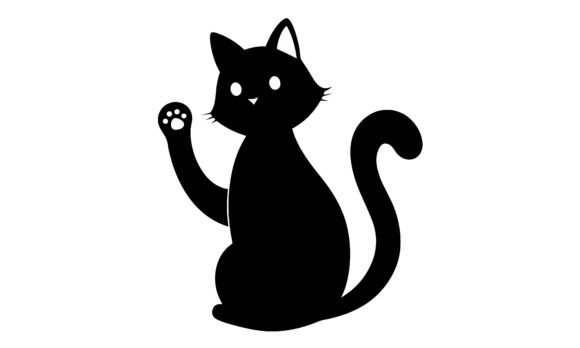
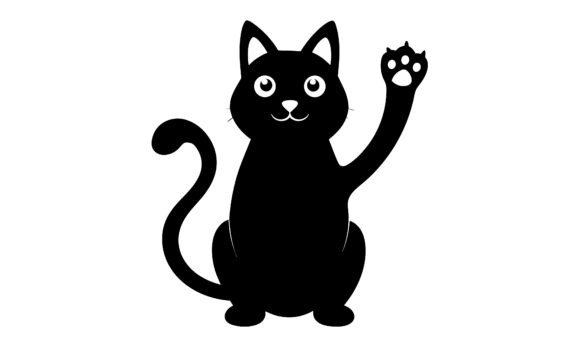
When I first opened the file for Black Cat Waving Isolated Vector, my immediate reaction wasn't about the technical specs, but rather the mood it set. There is a specific energy in a design that tells you exactly where it belongs on a garment or accessory. This silhouette cut file carries a playful yet mysterious vibe that feels perfect for the current trend of whimsical, character-driven embroidery. As someone who has spent years refining designs for client projects and personal handmade products, I know that a simple shape can either elevate a brand or look like a cheap afterthought. This particular design sits comfortably in the "elevate" category.
The concept of a waving black cat is timeless, often associated with Halloween, gothic aesthetics, or just general cute-factor appeal. However, the execution matters immensely when translating a vector into a machine embroidery design. The isolated nature of the vector means it is clean and ready to be digitized without fighting against background clutter. For an embroidery designer looking to create a quick custom piece, this provides a solid foundation. It screams personality, making it an ideal candidate for personalized gifts, boutique branding, or a standout item in an Etsy shop listing.
From Digital File to Finished Product: A Real-World Scenario
Let's imagine a practical scenario. You are preparing for the holiday season and need a unique product for your small business. You decide to create a line of embroidered tote bags featuring spooky yet friendly characters. You pull up Black Cat Waving Isolated Vector and visualize it stitched onto a sturdy canvas bag. The simplicity of the silhouette allows it to stand out beautifully against a dark navy or charcoal fabric. The "waving" gesture adds a human element, inviting the customer to interact with the design before they even touch the product.
In this context, the design transforms from a simple graphic into a conversation starter. When a customer picks up a tote bag with a cat waving at them, it creates an instant emotional connection. This is crucial for Etsy sellers and craft fair vendors who rely on visual engagement. The design works equally well on a baby onesie for a "spooky season" photo prop or as a decorative patch on a denim jacket. The versatility here is high because the core image is neutral enough to fit various themes while remaining distinct enough to be recognizable.
However, not every surface is created equal. If you plan to use this for custom apparel like sweatshirts or t-shirts, you need to consider the texture of the fabric. A smooth cotton jersey will render the curves of the cat much sharper than a rough fleece. The design relies on clean lines, so if the fabric is too textured or fuzzy, the definition of the tail or ears might get lost. This is why testing on scrap material is non-negotiable before committing to a bulk order for your commercial embroidery projects.
Navigating Technical Challenges in Embroidery
While the visual potential is clear, there are specific areas where Black Cat Waving Isolated Vector requires careful handling during the digitizing process. One of the primary concerns with any silhouette-based design is stitch density. If you fill the entire shape with dense satin stitches, the fabric can pucker, especially on thinner materials like tea towels or lightweight aprons. Conversely, if the fill is too sparse, the design may lack the solidity needed for durability on items that see frequent washing.
I recommend paying close attention to the transition between the satin stitch outlining the cat and the fill stitch inside. For a design like this, a combination of running stitch for fine details (like whiskers or the tip of the tail) and a medium-density fill for the body often yields the best results. This approach preserves the stitch density balance, ensuring the finished product looks professional rather than stiff.
Another critical factor is the hoop size. Because the cat is waving, the pose extends outward. If you try to fit this into a very small hoop, you might lose the charm of the gesture or force the design to be scaled down too much, resulting in tiny, indistinct features. For baby embroidery or small patches, ensure the hoop size accommodates the full width of the wave. On curved surfaces like caps or hats, the design needs to be adjusted to follow the curvature of the brim. A flat design placed on a curved hat can distort the proportions, making the cat look stretched or squashed.
Color contrast is also a major player in the final aesthetic. Since the source is a black silhouette, using white thread on a dark background or gold thread on a black background can create a striking effect. However, if you are stitching this onto a light-colored fabric, you must ensure the thread choice provides enough contrast. A black cat on a white shirt is classic, but a grey cat on a grey shirt will disappear. Always review your thread colors against your fabric texture before starting the machine.
Strategic Placement for Maximum Impact
Where you place this design determines its success as a handmade product. For tote bag design applications, centering the design on the front panel is standard, but placing it slightly off-center can add a modern, artistic flair. On sweatshirt embroidery, a smaller version on the left chest paired with a larger version on the back creates a cohesive look that feels intentional. For kitchen towel projects, positioning the cat near the hemline allows the "wave" to appear as if it is greeting guests entering the kitchen.
This design also shines in the realm of holiday embroidery. Whether it is for Halloween, Day of the Dead, or just winter coziness, the black cat fits seamlessly into seasonal collections. It serves as a versatile asset for digital product sellers creating printable mockups. Showing this design on a variety of backgrounds helps buyers visualize the end result, increasing trust and engagement with your listings.
However, there are scenarios where caution is advised. Avoid using this on stretchy fabrics without proper stabilizer, as the tension can cause the waves to warp over time. Similarly, on dark fabrics, ensure you are using a high-quality underlay to prevent the black threads from sinking into the weave. If the design includes intricate details in the corners, test them thoroughly; these areas are prone to thread breaks or missed stitches if the digitization isn't precise.
Final Thoughts on Professional Application
Ultimately, Black Cat Waving Isolated Vector is more than just a graphics file; it is a tool for storytelling. When used correctly, it elevates the perceived value of your small shop product. Customers appreciate designs that show care in their execution. They want to know that the finished product will hold up to wear and tear while still looking charming. By focusing on proper stabilizer usage, selecting the right machine embroidery design settings, and understanding the limitations of your fabric, you can turn this vector into a flagship item.
Before launching into production, remember to check the licensing terms provided with the file. Ensure you have the rights to sell finished items made from this design if you are operating a craft business. Test the design in black and white mockups to verify the composition, and compare how it looks on both light and dark backgrounds. With a bit of foresight and practical judgment, this design can become a staple in your portfolio, bridging the gap between digital creativity and tangible, cherished keepsakes.