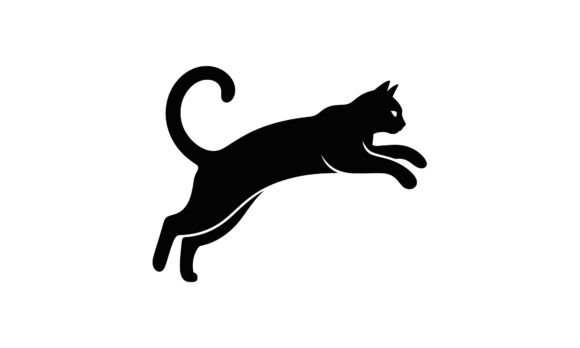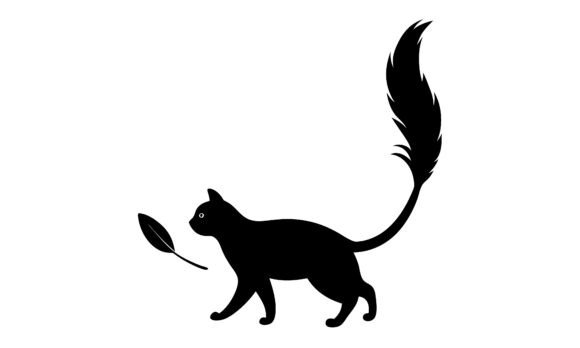
Black Cat with Feather Tail Silhouette Review
As someone who has spent years stitching designs for clients and running a small handmade shop, I know that the difference between a good design and a great one often comes down to how it translates from a screen to fabric. When I first encountered the Black Cat with Feather Tail Silhouette, I didn't just see a graphic; I saw potential for a specific kind of mood. It is a piece that demands attention through simplicity rather than complexity, relying on the stark contrast of shape to tell its story.
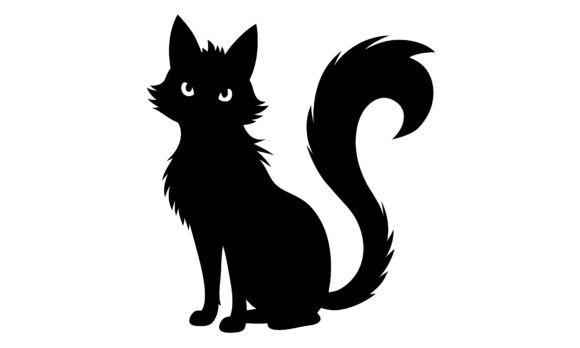
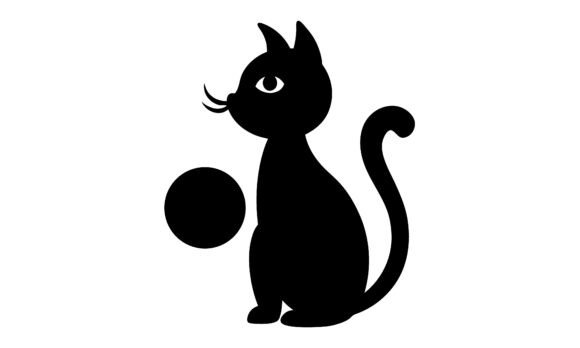
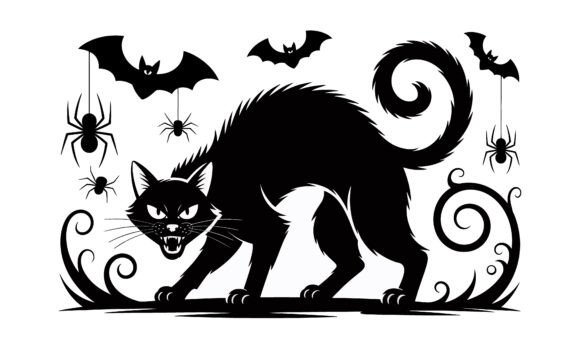
This isn't just another generic animal cut file. The silhouette captures a sleek feline form, but the feather tail adds an element of whimsy and elegance that elevates the entire composition. In the world of machine embroidery, where every stitch counts, this design offers a clean canvas that allows the texture of the thread to shine. Whether you are an Etsy seller looking to expand your holiday collection or a hobbyist making a personalized gift, understanding how this embroidery project behaves in real life is crucial before you hit the start button on your machine.
The First Stitch: Visual Impact and Mood
The immediate impression of the Black Cat with Feather Tail Silhouette is one of modern mystery mixed with playful charm. Unlike detailed portraits that require thousands of stitches to capture fur texture, a silhouette relies on the outline and the internal negative space. This makes it incredibly versatile for various product types. The feather tail is the star here; it breaks up the solid block of black with organic curves that suggest movement even in a static image.
When visualizing this as a finished product, I imagine it sitting perfectly centered on a dark navy tote bag or a crisp white baby onesie. The high-contrast nature of a silhouette means it will read clearly from a distance, which is essential for branding on custom apparel or boutique merchandise. It feels less like a standard craft project and more like a statement piece suitable for a professional design asset. The layout is balanced, suggesting that the designer understood the constraints of embroidery hoops and the flow of thread tension.
Real-World Application: From Screen to Stitch
I recently tested this design concept on a series of mockups to see how it would perform in actual production scenarios. Let's say you are preparing a line of holiday gifts for your small business. The Black Cat with Feather Tail Silhouette fits seamlessly into a winter or Halloween theme without feeling cliché. Imagine stitching this onto a premium cotton apron for a kitchen-themed gift set. The smooth curves of the cat's body would catch the light beautifully against the fabric, while the feather tail could be embroidered in a contrasting metallic thread to add a touch of luxury.
For those selling on platforms like Etsy, this design is a goldmine for personalized products. A customer ordering a custom sweatshirt for their daughter might appreciate the unique twist of the feather tail over a standard cat shape. It adds a layer of sophistication that justifies a higher price point. Similarly, on a pillow cover for a nursery, the soft lines of the silhouette create a calming effect, perfect for a child's room decor. The design works equally well as a standalone tote bag design or as a decorative accent on a patch for a denim jacket.
However, not all applications are created equal. If you are planning to use this as an embroidered patch for a cap, you need to consider the curvature of the hat. While the silhouette is simple, the feather tail extends outward, which can sometimes get caught on brims or lose definition if the hoop size is too tight. For curved surfaces, a smaller version of the design might work better to ensure the details remain sharp.
Where Caution Is Key
While the Black Cat with Feather Tail Silhouette is robust, there are specific situations where it requires careful handling. Textured fabrics, such as bouclé or heavy chenille, can obscure the fine lines of a silhouette. The lack of internal detail means that any irregularity in the fabric surface becomes more noticeable. Thin or stretchy knits present another challenge; without proper stabilizer, the tension required to hold the shape of the cat could cause the fabric to pucker, ruining the clean look of the silhouette.
Dense stitch areas are generally avoided in silhouettes, but if you attempt to fill the entire shape with satin stitch, you risk creating a stiff, plastic-like feel that detracts from the garment's drape. It is often better to use a combination of satin stitch for the outline and a lighter fill stitch or running stitch for the interior, depending on the desired aesthetic. Additionally, if you are working with dark fabric, the black silhouette will disappear unless you use a contrasting underlay or a different thread color entirely. Always test your thread colors on scrap fabric first to ensure the contrast provides the intended visual impact.
Building Trust Through Quality
In the competitive world of handmade goods, the quality of your embroidery directly influences customer trust. A sloppy execution of a simple design can make a brand look amateurish, whereas a clean, precise finish suggests professionalism. The Black Cat with Feather Tail Silhouette rewards precision. Because there are no hidden details to hide mistakes, the final result must be flawless. This encourages designers to pay closer attention to their setup, resulting in a higher-quality finished product that customers are eager to share.
When used correctly, this design enhances the perceived value of the item. A tote bag featuring this elegant silhouette looks like a curated boutique item rather than a mass-produced souvenir. For commercial embroidery projects, this level of detail helps differentiate your offerings from competitors who rely on generic clipart. It signals to buyers that you care about the nuances of your craft, fostering a stronger connection with your audience.
Practical Designer Notes for Success
Before integrating the Black Cat with Feather Tail Silhouette into your workflow, keep these practical tips in mind to ensure a successful outcome:
- Test on Scrap Fabric: Always run a test stitch on a piece of the same material you plan to use for the final product. This helps you gauge how the fabric reacts to the thread tension and whether the stabilizer holds up.
- Check Stitch Density: Review the stitch density settings in your digitizing software. Too much density can make the fabric stiff, while too little can leave gaps in the silhouette.
- Confirm Hoop Size: Ensure your hoop is large enough to accommodate the full width of the feather tail without cutting off parts of the design or causing distortion at the edges.
- Inspect Small Details: Zoom in on the digital file to check for any tiny corners or thin lines that might break during the stitching process.
- Verify Licensing: If you intend to sell finished items made with this design, confirm the licensing terms provided with the file. Some digital products allow personal use only, while others permit commercial sales.
- Compare Backgrounds: Create printable mockups in both light and dark versions to see how the design performs against different backgrounds before committing to production.
By approaching the Black Cat with Feather Tail Silhouette with a critical eye and a focus on technical execution, you can transform a simple graphic into a standout piece of art. Whether you are creating a one-of-a-kind gift or building a scalable line of craft business items, this design offers a perfect balance of style and functionality. It reminds us that in embroidery, sometimes the most powerful images are the ones that say the most with the least amount of ink—or thread.
Ultimately, the success of this design lies in the hands of the maker. With the right preparation and attention to detail, the embroidery file can become a centerpiece for your next creative endeavor, bridging the gap between digital graphics and tangible, handmade beauty.