Cat Poses Silhouettes: A Designer's Review for Real Embroidery
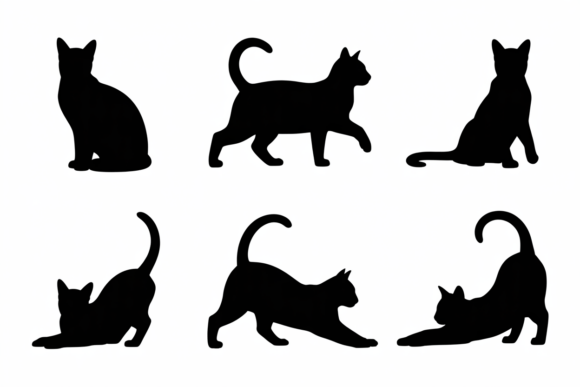
When I first opened the Cat Poses Silhouettes file, I didn't just see a graphic; I saw potential. As someone who has spent years turning digital assets into tangible, stitched treasures, my first instinct is always to ask one question: "How will this hold up on the hoop?" The answer often lies in the simplicity of the shape and the confidence of the lines. This collection immediately struck me as versatile enough for a quick weekend hobby project but polished enough to be the centerpiece of a boutique product line.
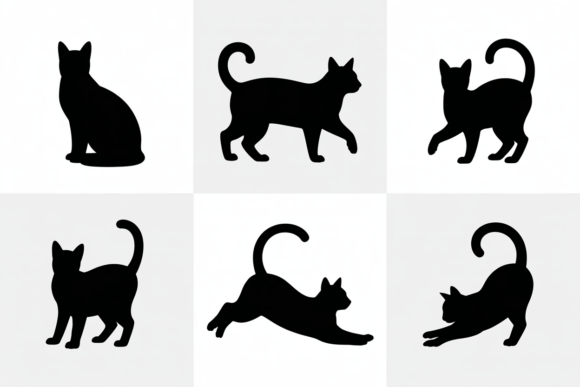
The mood created by these silhouettes is undeniably playful yet sophisticated. Unlike detailed illustrations that rely on shading or intricate facial features, a silhouette relies entirely on posture. It captures the essence of feline behavior—the stretch, the curl, the alert gaze—without getting bogged down in complexity. For an embroidery designer, this is a massive advantage. It suggests a design that will stitch cleanly, with fewer risks of thread breaks or distortion, making it a reliable choice for both novice crafters and seasoned commercial decorators.
From Digital File to Finished Product: A Real-World Scenario
Let's imagine a real scenario where I decided to test Cat Poses Silhouettes for a custom client order. The request was for a set of matching aprons for a local coffee shop that wanted to gift them to their staff. They needed something that felt handmade but looked professional, and they specifically asked for a design that wouldn't overwhelm the fabric texture of the heavy cotton twill.
I loaded the embroidery file into my software and began planning the layout. The clean edges of the silhouette meant I could easily adjust the stitch density without worrying about losing fine details. I opted for a high-quality satin stitch to give the cats a smooth, glossy finish that would contrast beautifully against the matte fabric of the apron. The result was striking. The simple black shape popped off the chest area, creating a focal point that customers noticed immediately. It wasn't just a logo; it was a statement piece that added character to the uniform.
This same design logic applies perfectly to other items. Imagine these poses embroidered on a baby onesie using soft, pastel threads. The lack of complex internal details means the stitching remains gentle against sensitive skin, while the recognizable cat shapes bring joy to parents and babies alike. Whether it is a tote bag design for a market stall or a personalized gift for a pet lover, the silhouette format adapts effortlessly to the scale of the project.
Where This Design Shines in Your Craft Business
For those running a craft business or selling on platforms like Etsy, visual appeal is everything. Cat Poses Silhouettes offers a level of clarity that translates well even in small thumbnail images. When a customer scrolls through a feed, they need to recognize the subject instantly. These designs do exactly that. They work exceptionally well for custom apparel, including sweatshirts and t-shirts, where a bold, centered graphic can elevate a basic garment into a fashion statement.
The versatility extends to home decor as well. I have seen similar silhouette designs used effectively on pillow covers and kitchen towels. The negative space within the pose allows for creative color blocking if you choose to use multiple thread colors or applique techniques. For a holiday gift, you could stitch these onto a tea towel with festive red or green thread, creating a charming seasonal item that feels personal and thoughtful. It is this kind of practical application that builds trust with buyers who are looking for quality handmade products.
In the realm of branding, consistency is key. If you are building a brand around pets, animals, or cozy living, having a library of cohesive designs like this ensures your small shop product line looks unified. Whether you are creating a series of patches for denim jackets or adding subtle accents to a cap, the consistent style of Cat Poses Silhouettes helps maintain a professional image that resonates with your target audience.
Navigating Challenges: Where to Exercise Caution
While the design is robust, no single file is perfect for every situation. As an experienced reviewer, I must point out where you should exercise caution. If you are working with a very small hoop size, such as those found on portable machines or specific hat frames, you may need to resize the design carefully. While the silhouette is simple, shrinking it too much can cause the threads to bunch up, ruining the clean lines that make the design so appealing.
Fabric choice also plays a critical role. Textured fabrics, like thick fleece or bouclé, can sometimes hide the definition of a silhouette. Similarly, stretchy knits require a stabilizer that provides enough support to prevent the fabric from distorting during the stitching process. If you are embroidering on dark fabric, ensure your thread selection offers sufficient contrast. A dark blue silhouette on a black shirt might look muddy rather than crisp.
Another consideration is the surface curvature. Embroidering on a curved surface like a baseball cap requires precise digitizing adjustments to account for the curve. If the design file provided does not include specific settings for curved surfaces, you may need to manually adjust the pull compensation in your software. Additionally, for projects that require frequent washing, such as workwear or children's clothing, dense stitch areas can sometimes trap lint or wear down over time. Always consider the end-use of the product when finalizing your stitch settings.
Practical Notes for the Embroidery Designer
Before committing to a large production run or a paid client project, I strongly advise testing the design on scrap fabric first. This step is non-negotiable for ensuring quality. Check how the thread colors interact with your chosen fabric under different lighting conditions. A design that looks great on a monitor might behave differently once the needle pierces the material.
Review the stitch density in your digitizing software. Even though this is a silhouette, some parts of the pose might have tight corners or long runs of thread that could lead to bird nesting or thread breakage if not optimized. Confirm your hoop size matches the dimensions of the design to avoid unnecessary trimming or re-hooping. Inspect small details, especially if you plan to use the design for embroidered patches where the edge finish is crucial.
It is also wise to test the design in black and white mockups before ordering materials. This helps visualize the impact of the shape without the distraction of color. Compare light and dark fabric backgrounds to determine which combination yields the highest visual appeal. Use proper stabilizer based on the weight of your fabric; a lightweight stabilizer might not be enough for a heavy tote bag, while a heavy one could create stiffness on a baby garment.
Finally, verify the licensing terms associated with Cat Poses Silhouettes. If you intend to sell finished items featuring this design, ensure your license permits commercial use. Some digital products are restricted to personal use only, and violating these terms can lead to legal issues. By taking these practical steps, you ensure that your final product meets the high standards expected by today's discerning consumers.
In conclusion, Cat Poses Silhouettes is more than just a cute graphic; it is a functional tool for any designer looking to add charm and professionalism to their embroidery projects. With careful planning and attention to detail, this design can become a staple in your portfolio, helping you create memorable finished products that customers love.