Cute Boy Cat Face: A Designer's Real-World Embroidery Review
As someone who has spent years stitching designs for clients and running a small handmade shop, I know that the difference between a good project and a great one often comes down to the design file itself. You can have the best machine and the finest threads, but if the underlying artwork isn't built for embroidery, the result will be messy. Recently, I had the chance to evaluate a design titled Cute Boy Cat Face before using it in a real client order. This review is not just about what the files include; it is about how this specific design performs when transferred from a screen to fabric.
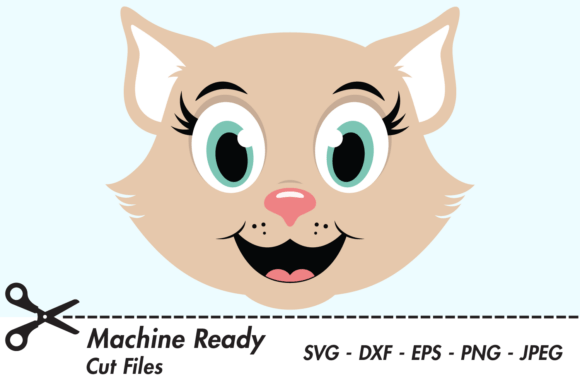
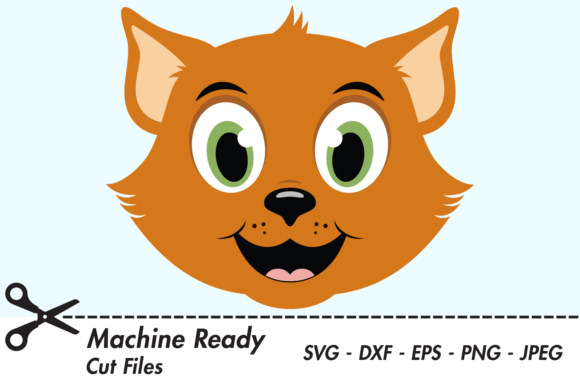
The first thing you notice with Cute Boy Cat Face is its immediate emotional pull. It creates a mood of warmth and playfulness that fits perfectly into the nursery or baby gift categories. The layout feels balanced, avoiding the cluttered look that sometimes plagues digital graphics converted poorly for stitching. When I first opened the SVG and DXF files included in the package, the shapes looked clean and defined. For an embroidery designer, that initial visual clarity is crucial because it suggests the machine will follow the path without unnecessary jumps or confusing angles.
Real-Life Application: From Screen to Sweatshirt
To truly test this design, I decided to use it for a custom embroidered tote bag intended as a boutique product for a local craft fair. The goal was to create a unique item that would appeal to parents and cat lovers alike. The design specifies a height of 6 inches, which is a sweet spot for apparel and home decor. It is large enough to be seen clearly but small enough to remain elegant on a tote or a sweatshirt chest area.
During the digitizing process, I paid close attention to how the design handles different stitch types. The Cute Boy Cat Face appears to utilize a mix of satin stitches for the outlines and fill stitches for the main areas. This combination usually results in a professional finish with a slight texture that adds depth. On the white background JPEG provided, the contrast was sharp, making it easy to visualize how the thread colors would pop against a light fabric. However, the transparent PNG version was even more valuable, allowing me to place the design over various mockups instantly to see how it would look on dark denim or soft pastel cotton.
Where This Design Shines
In my experience, certain designs are versatile enough to work across multiple product lines, while others are niche. Cute Boy Cat Face falls squarely into the versatile category. Its simple yet expressive nature makes it ideal for:
- Custom Apparel: Whether it is a toddler's onesie, a child's t-shirt, or a cozy adult sweatshirt, the design scales well. The 6-inch height ensures it doesn't overwhelm smaller garments like baby clothes.
- Home Decor: I found myself thinking immediately about pillow covers and kitchen towels. The playful theme fits perfectly in a modern farmhouse or a whimsical nursery setting.
- Accessories: It works beautifully as an embroidered patch or on a cap. The clean lines suggest it will hold up well on curved surfaces, provided the hoop size is managed correctly.
- Commercial Merchandise: For Etsy sellers and small business owners, this design asset offers high potential. It has the "giftability" factor that drives sales during holidays, birthdays, and baby showers.
The inclusion of an EPS file is a significant plus for those who need to customize the design further. If a client wants to add their own text or adjust the color palette before sending it to the machine, having a vector source allows for those edits without losing quality. This flexibility is essential for creating personalized gifts where uniqueness matters.
Practical Considerations and Limitations
While the design has strong potential, every embroidery project requires a realistic assessment of constraints. There are scenarios where Cute Boy Cat Face might need extra caution. If you are working with very small hoop sizes, the 6-inch dimension might be too large to fit comfortably on items like standard baseball caps or small apron pockets. In those cases, resizing the design is necessary, but always remember that reducing a complex shape too much can cause details to blur together.
Fabric choice is another critical factor. Textured fabrics, such as heavy fleece or boucle, can sometimes hide the fine details of a design. Similarly, stretchy knits require careful stabilizer selection to prevent puckering. If you plan to use this on dark fabric, the thread color contrast becomes paramount. The design looks great in bright, contrasting colors, but using dark threads on a black shirt might require a heavy underlay or a specific thread type to ensure visibility.
I also recommend being mindful of dense stitch areas. While the design looks clean in the preview, real-world stitching can sometimes cause overlapping threads if the density is set too high. Always check the stitch density settings in your software. If the design feels too dense, consider adjusting the stitch length or reducing the fill percentage slightly to maintain a softer hand feel, especially for baby products where comfort is key.
Designer Notes for Success
Before committing this design to a commercial run or a customer's final product, there are several practical steps every professional should take. First, always test the design on scrap fabric that matches your final material. This step reveals how the fabric reacts to the tension and how the stabilizer holds up under pressure. Second, inspect the small details closely. Even in a cute design, tiny elements like whiskers or eyes can get lost if the thread count is too low or the resolution of the source file is insufficient.
Comparing the design in both black and white mockups helps verify that the structure relies on shape rather than just color. This ensures the design remains recognizable even if the thread colors are muted. Furthermore, confirm whether the licensing terms allow for commercial use. As a seller, you need to know if you can sell finished items made with this embroidery file or if you are restricted to personal projects only. The package includes various formats like SVG, DXF, PNG, JPEG, and EPS, which is excellent for versatility, but verifying the specific license agreement is non-negotiable for any craft business.
Finally, think about the end-user experience. A well-executed machine embroidery design builds trust. Customers expect a neat, durable finish. If the Cute Boy Cat Face design is stitched with proper technique, it elevates the perceived value of the handmade product. It transforms a simple piece of fabric into a cherished keepsake. By paying attention to thread colors, stabilizer choices, and machine settings, you ensure that the final product reflects the professionalism and care that defines a successful Etsy seller or small shop owner.
In conclusion, Cute Boy Cat Face is a solid addition to any design assets library. It balances cuteness with structural integrity, making it suitable for a wide range of embroidery projects. Whether you are decorating a holiday gift, creating a boutique brand identity, or simply making a special present for a loved one, this design offers a reliable foundation for creativity. Just remember to test, adapt, and respect the materials you work with to achieve the best possible finished product.