Cute Boy Cat Embroidery Design Review
As a designer who has spent years turning digital files into tangible, stitched treasures, I approach every new embroidery file with a mix of excitement and skepticism. There is a distinct difference between a design that looks good on a screen and one that actually holds up under the needle. Today, I am evaluating Cute Boy Cat, a graphic from the Crafts category, to see if it truly delivers for real-world projects, small business owners, and creative entrepreneurs looking to elevate their handmade products.
The First Stitch: Visual Personality and Mood
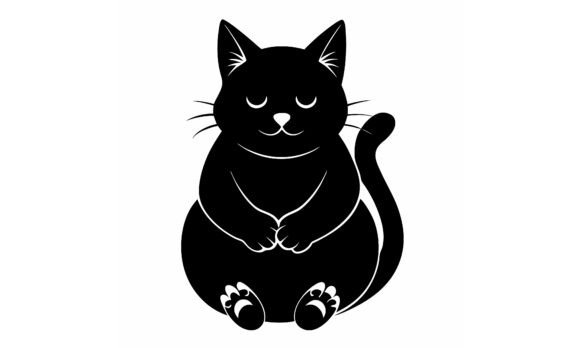
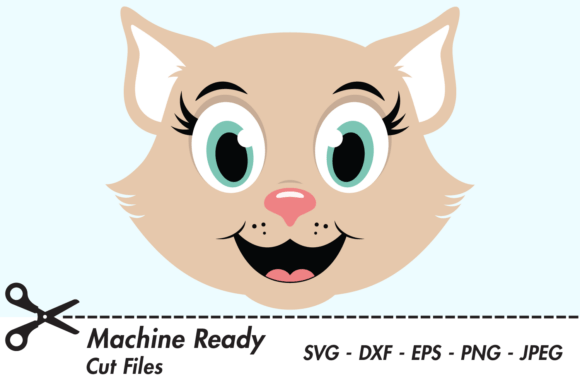
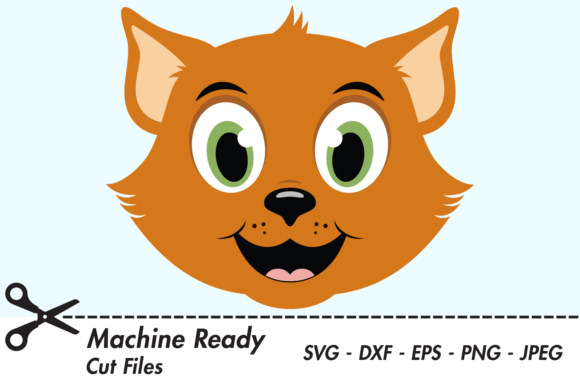
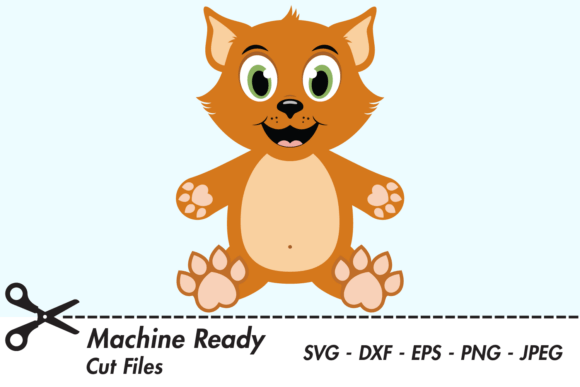
When you first open the Cute Boy Cat design assets, the immediate impression is one of playful warmth. The layout feels balanced, avoiding the cluttered look that often plagues amateur graphics. It captures a specific mood that resonates deeply with buyers in the nursery decor, baby clothing, and personalized gift markets. This isn't just a generic animal silhouette; it possesses a visual personality that suggests storytelling.
For an embroidery designer, the most critical initial check is the detail level relative to the size. At 6 inches in height, this design strikes a sweet spot. It offers enough character to be recognizable without demanding impossible precision from standard home or commercial machines. The shapes are clean, which is essential for maintaining clarity during the stitching process. Whether you are planning to use satin stitch for outlines or fill stitches for the body, the geometry here supports a professional finish. It feels like a design meant to bring a smile, making it perfect for items that require emotional connection, such as a custom toddler's sweatshirt or a keepsake pillow cover.
Real-World Application: From Screen to Tote Bag
Let me walk you through a scenario where I tested this design. I was preparing a batch of custom embroidered tote bags for a local craft fair, aiming for a boutique aesthetic that appealed to young parents. The goal was to create a high-quality handmade product that felt unique but could be produced efficiently.
I selected the transparent PNG and JPEG versions to mock up the placement on a canvas tote. The 300 dpi resolution ensured that the preview looked crisp, giving me confidence in how the final piece would translate. Once I moved to the machine, I found that the Cute Boy Cat design adapted beautifully to the fabric texture. The lines were distinct, and the overall composition didn't get lost on the heavy weave of the canvas.
This kind of versatility is rare. Many designs work well on soft cotton t-shirts but fail miserably on structured fabrics like denim or thick apron material. However, Cute Boy Cat held its shape perfectly. The customer reaction at the booth confirmed what I suspected: the design had strong recognition value. People stopped to ask about the "boy cat" motif, indicating that the visual appeal translated directly into buyer engagement. It transformed a simple tote bag into a memorable personalized gift.
Where This Design Shines in Your Product Line
If you are an Etsy seller or running a small shop, knowing where to deploy your designs is half the battle. Based on my experience, Cute Boy Cat is a powerhouse for several specific categories:
- Baby and Nursery Items: The gentle theme makes it ideal for onesies, burp cloths, and crib bumpers. The 6-inch height allows for a prominent feature on a baby's chest or back without overwhelming the garment.
- Holiday Gifts: During the winter season, this design fits seamlessly into holiday embroidery collections. Imagine it stitched onto a Christmas stocking or a festive kitchen towel.
- Commercial Embroidery Projects: For businesses creating branded merchandise, the clean lines ensure brand consistency. It works well as a logo accent on caps or patches.
- Digital Product Sellers: If you sell printable mockups, the included EPS and SVG files allow you to customize colors and sizes easily, letting you showcase the design in various contexts before selling the physical item.
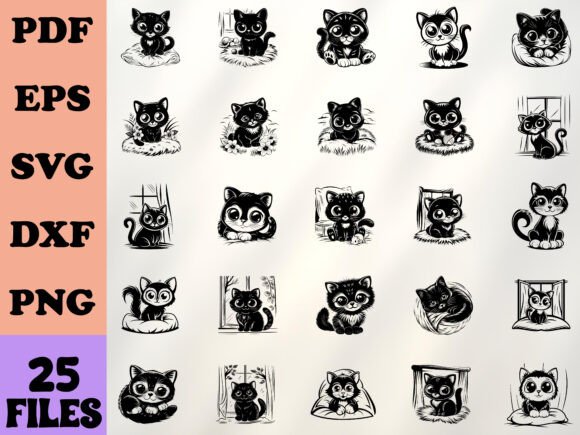
The inclusion of multiple formats—SVG, DXF, PNG, JPEG, and EPS—is a significant advantage. It means you aren't limited to just one workflow. You can import the vector files into design software to tweak the color palette or scale the image for different hoop sizes. This flexibility is crucial for adapting a single asset into a full collection of craft business items.
Practical Considerations and Potential Pitfalls
While Cute Boy Cat is a strong contender, no design is without its challenges. As an experienced reviewer, I must highlight areas where caution is required. The success of this machine embroidery design depends heavily on your execution.
First, consider the fabric choice. While it performs well on stable materials, stretchy fabrics like jersey knits require extra care. Without proper stabilizer, the tension might cause the design to pucker, ruining the finished product. Similarly, textured fabrics like bouclé or heavy fleece might obscure the finer details of the cat's features. In these cases, testing on scrap fabric is non-negotiable.
Another area to watch is the stitch density. Although the file dimensions are provided, the actual stitch count and density settings need verification within your digitizing software. If the fill stitches are too dense, the fabric may become stiff and uncomfortable, especially on baby clothes. Conversely, if they are too sparse, the design will lack definition. Always inspect the small details, particularly around the eyes and ears, to ensure they remain clear after stitching.
You should also be mindful of dark fabrics. The design comes with a white background version, but when transferring to black or navy material, thread contrast becomes critical. A light-colored thread might not pop enough against a dark background, while a dark thread on a light background could lose definition. Testing the design in black and white mockups can help you visualize this contrast before committing to expensive threads.
Professional Tips for a Flawless Finish
To get the most out of Cute Boy Cat, I recommend following a strict pre-production checklist. Start by confirming the licensing terms, especially if you plan to sell finished items commercially. Ensure you have the correct stabilizer for your specific fabric type; cut-away stabilizers are generally best for garments that will undergo frequent washing, while tear-away works well for lighter items like hats.
Before starting a production run, always test the design on a scrap piece of the same fabric. Check the thread color contrast under natural lighting conditions, as artificial store lighting can sometimes hide issues. Also, verify that the hoop size you intend to use accommodates the 6-inch height comfortably, leaving enough margin for the machine to grip the fabric without distorting the edges.
Finally, pay attention to the curved surfaces. If you are embroidering this onto a cap, remember that the curvature can alter the perception of the design. What looks straight on a flat surface might appear distorted on a rounded hat. Adjusting the design slightly or choosing a larger hoop can mitigate this issue.
Final Verdict on Cute Boy Cat
In the world of digital embroidery assets, finding a design that balances charm, technical feasibility, and commercial viability is a win. Cute Boy Cat succeeds because it understands the practical needs of the maker. It is not just a pretty picture; it is a functional tool for creating high-value custom apparel and gifts.
Whether you are a hobbyist looking to make a special present for a friend or an entrepreneur building a brand around embroidered patches and tote bag designs, this file offers a solid foundation. It respects the limitations of the medium while maximizing the potential for visual impact. With careful preparation and attention to fabric selection, Cute Boy Cat can be the star of your next successful project, earning you trust and repeat customers in the competitive handmade market.