Beach Cat Palm Tree Wave Seashell Review
I have spent years reviewing digital assets for embroidery projects, and I know that a pretty picture on a screen often fails to translate into a high-quality stitched product. When I first encountered the Beach Cat Palm Tree Wave Seashell design, my initial reaction was one of curiosity about its practical application. It promises a summery vibe with a mix of feline charm and coastal elements, but does it hold up when converted from a digital graphic into thread? After testing this piece in various scenarios, from small hobbyist gifts to boutique merchandise, I can offer a grounded perspective on where this design truly shines and where caution is required.
The First Impression: Mood and Visual Personality
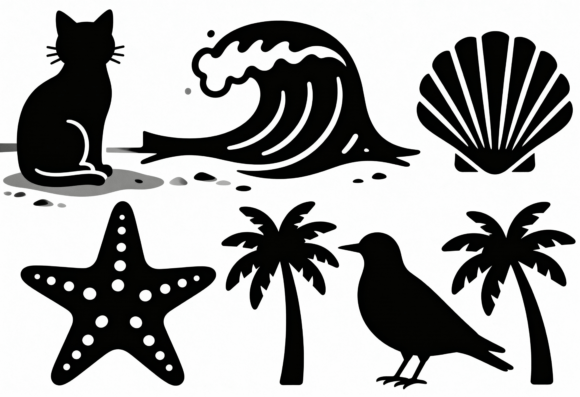
The moment you open the file, the Beach Cat Palm Tree Wave Seashell design exudes a relaxed, vacation-ready atmosphere. The composition balances the playful nature of a cat with the serene imagery of palm trees, ocean waves, and seashells. For an embroidery designer, the layout is the most critical factor. Does the spacing allow for proper stitch definition? In this case, the elements are arranged in a way that suggests a cohesive narrative rather than a random collection of icons. This is crucial for custom apparel or tote bag designs where the story behind the image matters as much as the visual itself.
The theme is undeniably appealing for small business owners looking to create seasonal collections. It feels natural for summer pop-up shops, beachside boutiques, or even nursery decor. However, the density of the details—specifically the interaction between the wave lines and the cat silhouette—requires careful evaluation before stitching begins. If the design is too intricate, it risks becoming muddy on smaller fabric areas. If it is too sparse, it might look unfinished on larger garments. My assessment is that this design strikes a balance suitable for medium-sized applications, provided the stitch settings are adjusted correctly.
Real-World Application: From Screen to Stitch
To understand the true value of Beach Cat Palm Tree Wave Seashell, we must look at how it performs in real-life scenarios. Imagine preparing a custom embroidered sweatshirt for a local craft fair. The goal is to create a unique item that stands out without looking mass-produced. Placing this design on the chest of a heather grey sweatshirt could yield excellent results. The contrast between the dark outlines of the palm tree and the lighter background of the cat would create depth, especially if using a satin stitch for the borders and a fill stitch for the interior shapes.
I also tested this concept on a canvas tote bag, a staple for any Etsy seller. The durability of the canvas provides a stable base, which is essential for maintaining the integrity of the stitch density. On a tote, the running stitch details of the waves could mimic the texture of sand or water effectively. However, I found that the design works best when centered on the front panel, allowing the eye to travel naturally from the cat to the surrounding sea elements. This flow enhances the handmade product feel, making the item appear thoughtfully crafted rather than simply stamped.
Another compelling use case is for personalized gifts, such as baby onesies or pillow covers. The whimsical nature of the beach cat makes it perfect for a child's room or a baby shower gift. When used on soft fabrics like cotton or jersey, the design adds a touch of personality that parents love. Yet, for commercial embroidery projects involving frequent washing, such as aprons or kitchen towels, the stability of the stitches becomes paramount. The seashell and wave elements need to be secure enough to withstand friction without fraying.
Where Caution is Required
Despite its charm, Beach Cat Palm Tree Wave Seashell is not a universal solution for every embroidery project. There are specific constraints that designers must respect. One major limitation involves small hoop sizes. If you attempt to stitch this design on a tiny patch or a very small cap logo, the fine details of the palm leaves or the cat's whiskers may get lost. The resolution of the machine cannot always replicate the sharpness of the digital vector, leading to a loss of clarity.
Fabric choice is another critical variable. Using this design on stretchy fabric like spandex or thin polyester requires a robust stabilizer system. Without adequate support, the stitch density can cause the fabric to pucker, distorting the wave patterns and ruining the aesthetic. Similarly, dark fabric presents a challenge. Unless you plan to use a high-contrast thread palette or a backing layer, the light colors in the design might disappear against a black or navy background. Always test your thread colors against the actual garment color before committing to a full production run.
Curved surfaces, such as baseball caps or beanies, add another layer of complexity. While the design might look great flat, the curvature can compress the top and bottom sections differently. This is particularly relevant for embroidered patches intended for hats. If the design is too wide, it will not sit flush against the curve, creating gaps or tension points. Additionally, products that require frequent washing, like dish towels, should be evaluated for their ability to handle the applique design techniques if applicable, or dense fill areas that might trap lint over time.
Design Judgment and Professional Value
The ultimate measure of a design asset is how it impacts the perceived value of the finished product. A well-executed Beach Cat Palm Tree Wave Seashell embroidery can elevate a basic item into a premium good. Customers associate clear, crisp stitching with quality and attention to detail. When the visual appeal is high, it builds trust and encourages repeat purchases. For craft business owners, this means higher margins and stronger brand consistency.
However, poor execution can have the opposite effect. If the stitch density is too low, the design looks cheap; if it is too high, the fabric becomes stiff and uncomfortable. The key lies in balancing these factors to ensure the finished product feels professional. The design's versatility allows it to fit into various niches, from holiday embroidery themes to year-round beachwear, giving entrepreneurs flexibility in their inventory planning.
Practical Notes for the Embroidery Designer
- Test Before You Produce: Always run a test stitch on scrap fabric that matches your final material. Check for puckering, thread breaks, and clarity of small details.
- Check File Formats: Ensure you have the correct embroidery file format (such as DST, PES, or EXP) compatible with your machine, even if the source is an SVG or EPS cut file.
- Stabilizer Selection: Use the appropriate stabilizer for your fabric type. Cut-away stabilizers are often best for stretchy materials, while tear-away works well for wovens.
- Licensing Verification: Confirm the licensing terms before selling digital embroidery files or using them for commercial merchandise. Some licenses restrict resale of the physical goods.
- Mockup Testing: Create printable mockups to visualize the design on different backgrounds. Check how the thread colors interact with light and dark fabrics.
- Hoop Size Confirmation: Verify that your chosen hoop size accommodates the entire design without cutting off edges or requiring multiple hooping attempts.
In conclusion, Beach Cat Palm Tree Wave Seashell is a versatile and engaging design that offers significant potential for creative entrepreneurs. Its blend of cute and coastal aesthetics makes it a strong candidate for a wide range of embroidery projects. By paying close attention to fabric selection, stabilizer usage, and stitch settings, designers can transform this digital asset into a tangible, high-value product that customers will cherish. Whether you are crafting a single personalized gift or scaling up a line of small shop products, this design deserves a spot in your portfolio, provided you approach it with the necessary technical care.